
Community Clean-Up Junk Solutions
By Maya Kincaid / Sep 24
Feeling overwhelmed by clutter while trying to juggle family life? You’re not alone. Many families struggle with the challenges of keeping their homes organized amidst busy schedules and emotional attachments to belongings. The journey to a clutter-free home doesn't have to be daunting, and there are effective strategies to make it manageable and even enjoyable.
Understanding the unique hurdles busy families encounter can help in formulating effective decluttering strategies. For more insights on how to manage these challenges, explore our guide on decluttering your home with ease.
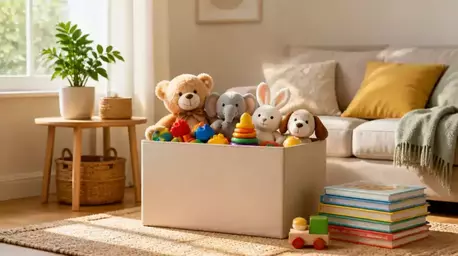
Their toys and clothing can take over spaces.
Busy schedules make it hard to find time for decluttering.
Limited storage can lead to overcrowded homes.
Decluttering is not just about making space; it’s about creating a harmonious environment that supports family life. At TossNest, I’ve seen how clutter can affect families in profound ways. It’s essential to address this need for decluttering in a manner that resonates with busy families juggling many responsibilities.
As we dive into the challenges families face, it’s crucial to understand that decluttering is often easier said than done. With the daily hustle and bustle, families need tailored strategies to navigate these obstacles while still maintaining their peace and joy at home.
Busy families encounter unique hurdles when it comes to decluttering. The three main barriers include children, time constraints, and space limitations. It’s not uncommon for families to feel overwhelmed, unsure of where to start or how to involve everyone in the process. For additional ideas on managing clutter in family homes, check out these decluttering tips for family homes.
Children can complicate decluttering efforts, as their belongings often accumulate quickly. It’s important to recognize that their toys and clothes are not just items; they hold memories and stories. However, involving children in the process can teach them valuable lessons about responsibility and organization.
In my experience with TossNest, I’ve seen how families can feel confined by their environments. The clutter builds up, often due to the sheer volume of items and the lack of time to sort through them. Implementing small, manageable changes can help families reclaim their spaces without added stress.
When families recognize these barriers, they can start to tackle them together. For instance, setting aside just 10 minutes a day for quick decluttering sessions can make a significant difference over time. It doesn’t have to be a massive project; even small steps count!
Understanding the psychology behind clutter can be transformational. Families often face decision fatigue when it comes to choosing what to keep and what to let go. The emotional attachment to items can weigh heavily on decision-making, leading to procrastination.
Many families find it difficult to part with belongings that carry sentimental value. This emotional attachment can create a barrier to an organized space. That’s why it’s essential to approach decluttering with a mindset of compassion and understanding.
Have you ever found yourself staring at a pile of clothes, unsure of what to keep? This is a classic example of decision fatigue. It can become overwhelming, leading to inaction. At TossNest, I encourage families to simplify their choices by categorizing items and focusing on what truly adds value to their lives. To learn more about how to make smart choices when decluttering, consider our advice on smart donation tips for families.
Letting go of items doesn’t mean forgetting the memories associated with them. Families can create a memory box dedicated to cherished items, allowing them to maintain a connection while freeing up valuable space. This strategy can be liberating and help families embrace a cleaner, more organized environment.
Did you know? Involving children in the decluttering process not only helps reduce clutter but also teaches them important life skills. By giving them a say in what to keep and what to let go, you foster a sense of responsibility and decision-making that will benefit them in the long run.
Finding time to declutter your home may seem impossible, especially for busy families! But I promise, with a few time-efficient strategies, you can make significant progress without feeling overwhelmed. Let’s explore some practical methods that can fit easily into your daily routine.
Have you ever found yourself with a spare 10 minutes but unsure how to use it? This is where the 10-minute timer method comes into play! Setting a timer can transform even the busiest days into productive decluttering moments.
By breaking decluttering into shorter sessions, you can make it feel less daunting. Try this approach regularly, and you’ll be amazed at how much you can tackle in just a few focused minutes!
Creating a daily routine can be a game-changer for busy families. Imagine starting each day with a quick decluttering ritual. Here are some steps to help you establish a consistent routine:
When you incorporate decluttering into your daily life, it becomes less of a chore and more of a habit. Plus, TossNest encourages families to work together, allowing you to enjoy your journey to a cleaner home.
Sometimes, the thought of decluttering everything at once can feel overwhelming. That’s why the one-item-per-day strategy is perfect for busy households! It’s simple: each day, focus on letting go of just one item.
This method not only helps keep clutter at bay but also fosters a sense of accomplishment. Over time, those small steps will lead to significant changes in your home!
It’s incredible how small, consistent actions can lead to big results! By adopting strategies like the one-item-per-day approach, you’ll create a more organized and peaceful environment in your home. Think about it: at the end of a month, you could have cleared out 30 items!
Additionally, making decluttering a family activity can help everyone feel involved and responsible for their belongings. TossNest is all about community and teamwork, so why not invite your kids to share what they’d like to part with? Together, you’ll create a clean and inviting space that reflects your family’s values.
As a busy family, staying organized is key to effective decluttering. One great way to do this is by incorporating family calendars and cleaning schedules. This can help everyone stay on track and ensure that decluttering becomes a shared responsibility.
Using a structured approach like this not only keeps clutter in check but also encourages teamwork and accountability. Everyone in the family gets to contribute, making the whole process much more enjoyable! Consider our tips on effective home decluttering tips for maintaining a tidy living space.
Lastly, it’s essential to involve every family member in your decluttering routines. This can be done through designated decluttering days or even fun challenges! Consider making a game out of it—who can find the most items to declutter in a week?
When everyone plays a part, it fosters a sense of ownership and pride in your shared space. TossNest believes in building community through collaboration, and this approach not only helps you declutter but strengthens family bonds as well. So, gather your family, set your timers, and let’s get decluttering together! For more guidance on clearing out unwanted items, explore efficient rubbish removal tips.
A: Busy families often struggle with children's belongings accumulating, time constraints due to demanding schedules, and limited storage space. Emotional attachment to items and decision fatigue also play significant roles.
A: The 10-minute timer method involves setting a timer for a short period (e.g., 10 minutes) and focusing intensely on decluttering a small, specific area. This approach makes decluttering feel less overwhelming and allows for consistent progress even on busy days.
A: The one-item-per-day strategy encourages families to get rid of just one item they no longer need or use each day. This gradual approach prevents overwhelm and leads to significant clutter reduction over time.
A: Involving children can be done by giving them a say in what to keep, making it a fun bonding activity, or setting up family challenges. This teaches them responsibility and decision-making skills.
A: Understanding concepts like decision fatigue and emotional attachment helps families approach decluttering with compassion. It allows them to simplify choices and find strategies, like creating memory boxes, to let go of items without losing cherished memories.
Here is a quick recap of the important points discussed in the article:
By Maya Kincaid / Sep 24
By Maya Kincaid / Sep 21
By Maya Kincaid / Sep 16