
Encouraging Community Decluttering Together
By Maya Kincaid / Oct 27
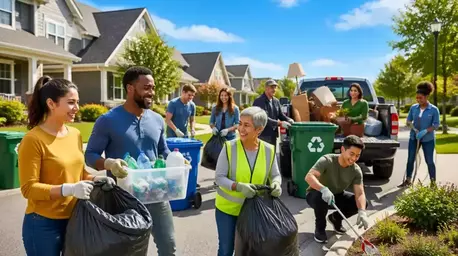
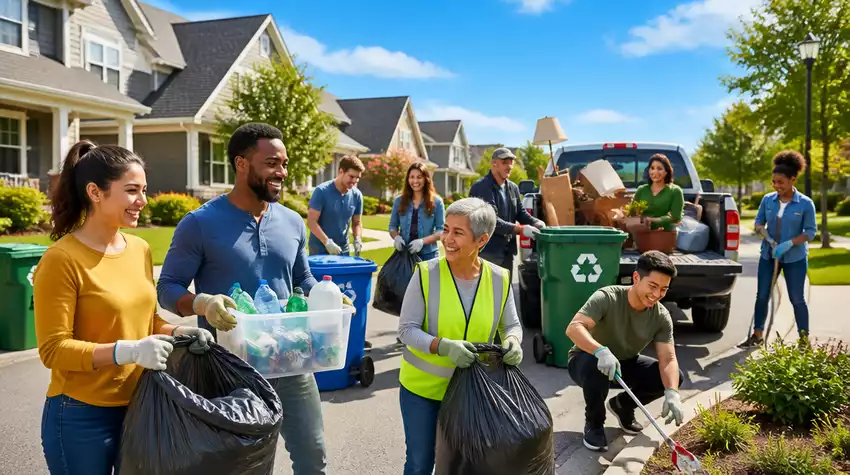
Have you ever looked around your community and felt that it could use a little sprucing up? Organizing a Neighborhood Junk Removal Day not only enhances the aesthetics of our surroundings but also fosters community spirit. It’s a chance to come together, clean up, and make a lasting positive impact!
Community cleanups provide numerous benefits that enhance neighborhoods and foster a sense of togetherness. Below are key areas affected by these initiatives:
Working together creates a sense of camaraderie among neighbors.
Clearing out junk can reduce hazards, making streets and parks safer for everyone.
A clean neighborhood is visually appealing and can boost property values.
Residents learn about recycling and proper waste disposal practices.
Have you ever walked through your neighborhood and noticed piles of junk or clutter? It can be disheartening to see items just sitting around, taking up space and diminishing the beauty of our community. That's why organizing a Neighborhood Junk Removal Day can be a game-changer! Not only does it help clear out unwanted items, but it also brings neighbors together and fosters a sense of community pride.
Imagine the excitement of transforming shared spaces, making them cleaner and more inviting! At TossNest, we believe that every little bit helps. By participating in a cleanup effort, you’re not just decluttering; you’re contributing to a more vibrant and pleasant neighborhood. Plus, it's a fantastic opportunity to meet new friends and support local charities through donations.
Organizing a cleanup day offers numerous benefits that go beyond just cleaning up. Here are some positive impacts community cleanups can have:
When I think of community cleanups, I remember my early days with TossNest, where helping families declutter was a passion! It's heartwarming to see neighbors working side by side, sharing stories while making their environment better.
The impact of junk removal on our environment cannot be overstated. When we dispose of items responsibly, we help reduce waste and pollution. Here’s how proper junk removal and recycling can make a difference:
At TossNest, we prioritize sustainability. By donating items to local charities, we ensure that good-quality products find new homes, not just end up as waste. It’s all about making a positive impact on both our community and the planet! For more insights into responsible disposal, check out our guide on eco-friendly home junk removal.
Neighborhood associations play a key role in organizing and promoting cleanup events. These groups can mobilize resources and volunteers while creating a sense of ownership among residents. Their involvement can include:
In my experience with TossNest, partnering with neighborhood associations has been incredibly rewarding. They bring a wealth of experience and connections that can enhance the impact of our cleanup efforts. Together, we can create cleaner, healthier communities for everyone!
Here’s a brief recap of the key points discussed so far:
Organizing a junk removal event in your neighborhood can feel daunting, but breaking it down into manageable steps makes the process much easier. Just like I do at TossNest, where we help families and small offices declutter, you can create a plan that will not only clean up your space but also foster community spirit. Let’s dive into the details of how you can make your event a success!
A well-organized timeline is key to a smooth cleanup event. Start planning at least 4–6 weeks in advance. This gives you ample time to coordinate with volunteers, secure permits, and gather supplies. Creating a checklist can help keep you on track and ensure nothing slips through the cracks!
During the initial weeks, focus on these tasks:
As the event approaches, it’s time to tighten the details. Here’s what to do in the final week:
Getting the community involved is essential for a successful junk removal event. Engage your neighbors and encourage them to lend a hand! Remember, like I always say at TossNest, the more, the merrier.
Start by designing eye-catching flyers that highlight the event details. Make sure to include:
Local organizations can be fantastic partners! Reach out to businesses, schools, and churches to help spread the word. They might even contribute supplies or volunteers. Here’s a quick tip: offer to feature their support in your promotional materials!
Social media can be a powerful tool for outreach. Consider creating an event page on platforms like Facebook or Instagram. Share engaging posts that remind people to join and also encourage them to tag their friends. You might be surprised by the number of people who want to participate!
Choosing the right date and location can make or break your event. Think about when your community is most available, and pick a spot that everyone can easily access.
When selecting a date, consider:
Make sure the location is convenient for all volunteers. Choose spots that have enough space for dumpsters and safe areas for sorting items. Accessibility is important to ensure everyone can participate comfortably.
Before your cleanup day arrives, it’s crucial to have the right permits in place. This shows local authorities that you’re organized and responsible!
Start by contacting your local waste management office or city council. They can guide you on the necessary permits you'll need. Be prepared with details about your event, such as the date and location.
Familiarize yourself with local waste disposal regulations. This ensures that everything collected is disposed of in accordance with the law, and keeps everyone safe during the event. If in doubt, ask local authorities for advice! For more tips on efficient waste handling, consider reading about efficient rubbish removal tips.
Involving city officials can enhance the success of your event. They might provide additional resources or promotional support. Don’t hesitate to ask for their assistance; they often appreciate community initiatives!
The day of the event should run as smoothly as possible. Preparation is key to achieving that!
Make a checklist of supplies you’ll need, including:
On the event day, ensure that traffic is well managed, especially if you’re working near roads. Set up signs to direct volunteers and ensure everyone stays safe while they work.
If you have larger items to remove, consider renting equipment like trucks or trailers. This can make the process quicker and easier for everyone involved. Just like at TossNest, having the right tools makes all the difference!
Setting clear guidelines for what items can be accepted is crucial. This helps streamline the process and makes it easier for volunteers to know what to collect.
Here’s a quick list of items you can typically collect:
Local waste management services are invaluable partners. They can help you understand what to do with different types of waste and make the disposal process more efficient. Connecting with them early on can help avoid any last-minute hiccups!
Don’t forget about items that can be donated! Partner with local charities to ensure usable items find new homes. This aligns perfectly with TossNest's mission to promote responsible disposal and community support! If you're looking for ways to declutter your home with ease before a community cleanup, we have some great tips.
Here are some common questions about organizing and participating in a Neighborhood Junk Removal Day:
Here is a quick recap of the important points discussed in the article:
By Maya Kincaid / Oct 27
By Maya Kincaid / Oct 17
By Maya Kincaid / Oct 12