Community Clean-Up Junk Solutions
By Maya Kincaid / Sep 24
What if a simple change in your home could enhance your family's happiness and connection? Decluttering isn’t just about tidying up; it’s a transformative journey that can significantly improve family dynamics. Here’s how you can get started and make decluttering a joyful experience for everyone!
Discover how a clutter-free environment enhances family well-being:
Less mess means fewer distractions, allowing families to concentrate better on each other and their activities.
A clean space can uplift spirits and create a more positive atmosphere for family interactions.
It's easier to get things done in an organized home, leading to more efficient family routines.
A decluttered environment can help diminish feelings of anxiety and create a more serene home atmosphere.
Decluttering is not just about cleaning up; it's a crucial part of creating a happy and organized family life. As someone who has seen the transformative power of a clutter-free environment through my work at TossNest, I understand how overwhelming clutter can feel, especially for families juggling busy schedules. Let’s explore why decluttering is essential and how it can positively impact family dynamics. For additional tips on how to declutter your home with ease, check out our comprehensive guide.
Clutter can cause unnecessary stress in our homes. When toys are scattered everywhere or papers are piled high, it can create a chaotic atmosphere that affects everyone. Families may find themselves more irritable and less connected because of the visual noise surrounding them.
Moreover, clutter can lead to distractions during family time. Instead of enjoying a movie night or a meal together, family members might be preoccupied with thoughts about the mess. This can also lead to arguments over who is responsible for the disorganization. A decluttered home promotes a more peaceful, welcoming space that fosters connection and understanding.
Decluttering as a family can be a bonding experience! It encourages teamwork and communication among family members. Here are some benefits of decluttering together:
At TossNest, I often encourage families to embrace decluttering as a shared journey. It's not just about getting rid of things, but also about creating memories and discovering what truly matters to each family member. You might also find our tips on efficient rubbish removal helpful for clearing out those bigger items.
Starting small can make a big difference! Busy parents might feel overwhelmed by the thought of a full decluttering session, but I recommend starting with daily tidying routines. Spending just 10-15 minutes each day to pick up toys or sort through papers can lead to a significant reduction in clutter.
Here’s how to make it easier:
This simple but effective rule can help keep clutter at bay! The idea is straightforward: whenever you bring a new item into your home, you let go of an old one. This helps families be more mindful about their belongings.
Consider implementing this rule for:
As the founder of TossNest, I’ve seen how this rule can transform family habits and make decluttering feel less daunting.
Time is precious for parents, so here are some strategies to efficiently manage your decluttering sessions:
By treating decluttering as a part of your family routine, it becomes easier to maintain an organized space. Each step you take can lead to a more harmonious home!
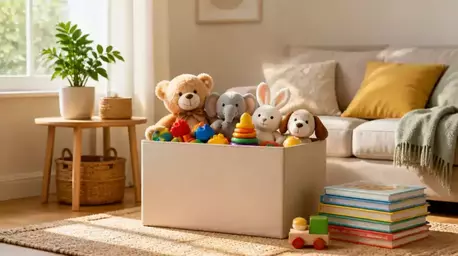
Let’s face it—kids can accumulate a lot of toys! Organizing these can feel overwhelming, but breaking it down into manageable steps helps. Here are some effective strategies:
At TossNest, I love seeing how these simple changes can empower kids to take charge of their own spaces!
Decluttering doesn’t have to be a chore! Making the process enjoyable can keep kids engaged. Here are a few ideas:
When children see decluttering as fun, they are more likely to participate willingly!
To manage kids' clutter, consider these toy management techniques:
These methods can help children become more mindful about their belongings and foster a sense of responsibility. For those items that are ready to go, learn how to donate unwanted items locally today.
We would love to hear about your family's decluttering journey! What has been the most challenging aspect for you?
As we wrap up our discussion on decluttering, it’s important to remember that the journey doesn't end once you’ve cleared out the clutter. Keeping your home tidy and organized is a continuous effort that can greatly enhance your family's life. By creating a clutter-free environment, you're not just improving your home but also promoting a healthier mindset for everyone involved!
One major advantage of having a decluttered home is the reduction of decision fatigue. With fewer items around, it becomes easier for family members to focus on what truly matters. This leads to a more relaxed atmosphere, allowing everyone to enjoy their space and engage more positively with one another. It’s amazing how a little organization can contribute to overall family well-being!
When we talk about decluttering, we often focus on the physical space we create. However, the mental clarity that comes from a tidy home is just as important. A decluttered environment can help diminish feelings of anxiety and stress, making daily routines smoother for everyone in the family. Plus, with all that extra space, I’ve found that my family feels more at ease and able to connect without distractions!
Here are some psychological benefits you might experience:
It’s essential to cultivate a culture of organization within your family. When everyone is on board with decluttering, it becomes a shared responsibility rather than a chore. You can make decluttering fun and engaging, empowering each family member to take part in maintaining a tidy home. At TossNest, we believe that involving everyone helps build lasting habits that stick!
Here are some simple ways to encourage participation:
As a parent, you may have many questions about how to involve your children in the decluttering process without causing stress. Here are some common concerns I hear:
For those looking to dive deeper into the world of minimalism and organization, there are plenty of resources available! Books, blogs, and community workshops can provide great insights and strategies for maintaining a clutter-free lifestyle. It’s exciting to learn new methods that resonate with your family's unique needs!
As you embark on this journey, remember that decluttering is an ongoing process. So why not take that first step today? I encourage you to gather your family and start your decluttering journey together. And don't forget about the impact you can have by donating items to local charities! Together, we can make our neighborhoods cleaner and more inviting, just like TossNest aims to do! For those preparing for a major move, remember to declutter your home before moving to make the process smoother.
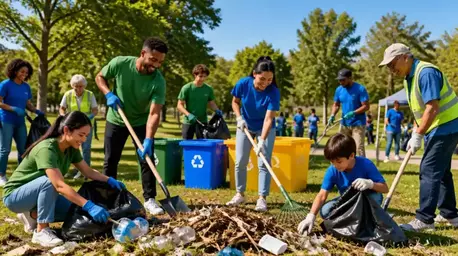
As you declutter, explore options for donating items or recycling them responsibly. This not only helps your home but also benefits our community. Let's work together to make a positive change, one clean space at a time!
Here is a quick recap of the important points discussed in the article:
By Maya Kincaid / Sep 24
By Maya Kincaid / Sep 21
By Maya Kincaid / Sep 16