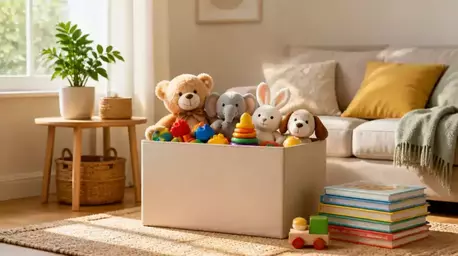
Feeling overwhelmed by clutter can be a common struggle for many. The journey to a tidy home isn’t just about organizing your belongings; it’s about enhancing your mental well-being and making room for joy. Embrace the process of decluttering by recognizing the emotional barriers holding you back, and discover the transformative benefits of a clutter-free environment.
What You Will Learn
Understanding the emotional attachments that can hinder decluttering, such as sentimentality and fear of regret.
The mental health benefits of a clutter-free home, including reduced anxiety and increased productivity.
Effective techniques to overcome emotional barriers, like visualizing a new space and setting time limits for decisions.
Essential tools and supplies for a successful decluttering process, such as boxes for sorting and labels for organization.
Strategies for tracking progress in decluttering and celebrating milestones to maintain motivation.
The importance of community support and sharing experiences to inspire continual improvement in decluttering efforts.
The value of using a decluttering checklist to stay organized and focused throughout the process.
Benefits of a Clutter-Free Home for Mental Well-Being
Discover the positive impacts of maintaining a tidy living space. Below are key advantages represented in a visual format.
Increased Productivity
A clear space can lead to a clear mind, making it easier to focus on tasks.
Reduced Anxiety
Clutter can be visual chaos, which heightens feelings of stress.
Enhanced Creativity
An organized space can inspire new ideas and creativity.
Improved Relationships
A tidy environment can lead to more positive interactions.
Understanding the Necessity of Home Decluttering
Have you ever felt overwhelmed by the stuff scattered around your home? I certainly have! At TossNest, I often see families and small offices struggling with this very issue. Decluttering is not just about tidying up; it’s about creating a space that brings you joy and peace. It’s not always easy, and understanding the emotional and psychological barriers can be the first step toward a clutter-free life. For more detailed strategies, consider how to declutter your home with ease.
Many people hold onto items because of the memories they represent or the fear of needing them again. I totally get it! That’s why it’s crucial to identify these emotions. By acknowledging what keeps us attached to clutter, we can find healthier ways to let go. Together, we can learn to embrace the relief that comes with a clean, organized space, making room for new and meaningful experiences.
Identifying Emotional and Psychological Barriers to Decluttering
Decluttering can feel like an emotional roller coaster! We often associate belongings with significant events or people in our lives. For instance, holding onto a gift from a loved one can create guilt if we think of discarding it. Here are some common emotional barriers to decluttering:
Sentimental Attachment: Items remind us of past experiences.
Fear of Regret: Worrying about needing something later.
Overwhelm: Feeling lost in the process and unsure where to start.
Perfectionism: Thinking it needs to be done perfectly can prevent action.
Recognizing these barriers can be the first step to moving past them. It’s all about taking small steps! For instance, I encourage folks to start by asking themselves, “Does this item spark joy?” If it doesn’t, it might be time to let it go. This simple question can open doors to a more organized and fulfilling space.
Benefits of a Clutter-Free Home for Mental Well-Being
A clutter-free home can do wonders for your mental health! Imagine walking into a clean, organized space that makes you feel calm and happy. Decluttering can reduce stress, improve focus, and enhance your overall well-being. Here are some fantastic benefits that come with a tidy home:
Increased Productivity: A clear space can lead to a clear mind, making it easier to focus on tasks.
Reduced Anxiety: Clutter can be visual chaos, which heightens feelings of stress.
Enhanced Creativity: An organized space can inspire new ideas and creativity.
Improved Relationships: A tidy environment can lead to more positive interactions with family and friends.
At TossNest, I’ve witnessed firsthand how decluttering can transform not just physical spaces, but also the emotional landscape of individuals and families. So, why not take that leap today? Embrace the joy of letting go and welcome a fresh start in your home!
Effective Home Decluttering Techniques for Everyone
Now that we understand the why behind decluttering, let's explore some practical techniques to get started. There are many methods out there, but the key is to find what resonates with you. At TossNest, I love sharing simple strategies that anyone can implement, regardless of their decluttering journey! To make your efforts more sustainable, consider exploring eco-friendly home junk removal options.
Quick Summary
Here's a brief recap of the key points discussed so far:
Decluttering is essential for creating a joyful and peaceful living space.
Emotional barriers like sentimental attachment and fear of regret can hinder the decluttering process.
A clutter-free home enhances mental well-being by reducing stress and boosting productivity.
Practical techniques, emotional awareness, and the right tools are vital for successful decluttering.
Addressing Common FAQs on Home Decluttering
When diving into the world of decluttering, you might have questions swirling in your mind. That's completely normal! At TossNest, we often hear about the emotional hurdles and logistics surrounding decluttering. Let’s tackle some of the most common questions together, so you can feel more confident on your decluttering journey.
How Do I Overcome Emotional Attachment to My Items?
It's common to feel a strong bond with our belongings; they often carry memories or represent significant moments in our lives. To start overcoming this attachment, reflect on the purpose of each item. Ask yourself, “Does this item still serve a purpose in my life?” This question can help you make clearer decisions.
Here are some helpful strategies to ease the emotional load:
Visualize a New Space: Imagine your home free of clutter, which can motivate you to let go of items that no longer fit.
Take Photos: If you can’t part with an item, take a picture of it. This way, you keep the memory without the physical space required.
Set Time Limits: Give yourself a specific time to decide on each item. This approach helps you avoid overthinking.
What Tools and Supplies Do I Need for Effective Decluttering?
Having the right tools can make your decluttering process smoother and even enjoyable! At TossNest, we recommend gathering a few essentials before you start.
Here’s a quick list of must-have tools:
Boxes or Bins: For sorting items into categories like keep, donate, and trash.
Labels: Use labels to clearly mark your boxes, making it easy to identify the contents.
Trash Bags: Have these handy for items that are broken or unsalvageable.
A Notebook: Keep track of what you’ve cleared out and note any future goals.
Where Can I Find Donation Centers for Unwanted Items?
Finding the right home for your donated items is crucial, and it feels great to give back to the community! At TossNest, we prioritize donating usable goods to local charities. Here are some ways to find donation centers near you:
Online Search: Websites like Donation Town or Goodwill can help you locate nearby donation centers.
Community Boards: Check local community boards or social media groups for recommendations on where to donate.
Ask Neighbors: Your friends and neighbors might have great suggestions on local charities that need your items.
Frequently Asked Questions
What are the main emotional barriers to decluttering?
The primary emotional barriers include sentimental attachment to items, the fear of regretting letting something go, feeling overwhelmed by the task, and perfectionism which can prevent starting.
How does decluttering benefit mental well-being?
A clutter-free home can significantly reduce stress and anxiety, increase productivity by fostering a clear mind, enhance creativity, and improve relationships due to a more harmonious living environment.
What are some effective techniques to overcome emotional attachments during decluttering?
Helpful techniques include visualizing your ideal clutter-free space, taking photos of sentimental items before donating them to keep the memory, and setting time limits for decisions on each item to avoid overthinking.
What essential tools are needed for decluttering?
Key tools for effective decluttering include boxes or bins for sorting (keep, donate, trash), labels to organize contents, trash bags for waste, and a notebook to track progress and future goals.
How can I track my decluttering progress and stay motivated?
You can track progress through a decluttering journal, taking before-and-after photos, and using checklists for different areas. Celebrating milestones and sharing experiences with a community can further boost motivation.
Tracking Your Decluttering Progress and Celebrating Milestones
Tracking your progress is an essential part of the decluttering journey! It not only keeps you motivated but also lets you celebrate your achievements. Use simple templates to record what you’ve accomplished. You’ll be amazed at how much you can clear out over time.
Measuring Progress: Simple Templates for Recording Achievements
By measuring your progress, you can see how far you’ve come! Here are some ideas to help you track your decluttering journey:
Decluttering Journal: Write down what you’ve decluttered each day.
Before-and-After Photos: Snap pictures to visually document your transformation.
Checklists: Create a checklist of rooms or areas to tackle, and check them off as you go!
Encouraging Feedback and Experiences from Fellow Declutterers
Hearing about other people’s experiences can inspire you and provide helpful tips! Consider joining decluttering groups online or in your community. Sharing your journey with others can bring in new perspectives and motivation. For those with a family, finding tips on decluttering tips for family homes can be especially beneficial.
Here’s how you can connect:
Social Media: Share your before-and-after photos and ask for feedback.
Online Forums: Join forums or groups dedicated to decluttering where you can ask questions and share stories.
Local Meetups: Find or start a local meetup for declutterers to share tips and support each other.
Using a Decluttering Checklist to Stay on Track
A decluttering checklist is a fantastic tool for staying organized! It can guide you through each step and ensure you cover all areas of your home. You can create a simple checklist that includes:
Rooms to Declutter: List each room in your home.
Specific Items: Note specific items or categories to focus on.
Completion Dates: Set target dates for when you want to complete each area.
Final Thoughts and Encouragement for Your Decluttering Journey
Consistency is key when it comes to maintaining a clutter-free home! Remember, every little step counts. By regularly revisiting your decluttering goals and incorporating small habits, you’ll keep your space feeling fresh and inviting. If you're planning a move, learning how to declutter your home before moving can make the process much smoother.
The Importance of Consistency in Maintaining a Clutter-Free Home
Just like any other habit, creating a clutter-free environment takes practice. Celebrate small victories, and don’t hesitate to reach out to your community for support! TossNest is here to help you every step of the way.
Call to Action: Join Our Community for Ongoing Support and Resources
If you’re ready to dive into your decluttering journey, why not join our TossNest community? We offer resources, tips, and support to help you along the way. Together, we can create cleaner and more organized spaces that benefit everyone in our neighborhoods!
Recap of Key Points
Here is a quick recap of the important points discussed in the article:
Emotional Barriers: Recognize and address sentimental attachments, fear of regret, overwhelm, and perfectionism to overcome challenges in decluttering.
Benefits of Decluttering: A clutter-free home can lead to increased productivity, reduced anxiety, enhanced creativity, and improved relationships.
Effective Techniques: Use strategies like visualizing a new space, taking photos of items, and setting time limits to ease the decluttering process.
Essential Tools: Gather boxes, labels, trash bags, and a notebook to facilitate organization during decluttering.
Tracking Progress: Maintain a decluttering journal, take before-and-after photos, and utilize checklists to measure progress and celebrate milestones.
Community Support: Engage with online forums or local meetups to share experiences, gain inspiration, and find encouragement in your decluttering journey.