Community Clean-Up Junk Solutions
By Maya Kincaid / Sep 24
What if decluttering your home could also declutter your mind? The journey to a tidy space can bring a sense of peace and community connection. As you embark on this seasonal decluttering adventure, consider how a planned donation schedule can work wonders for both your home and those in need.
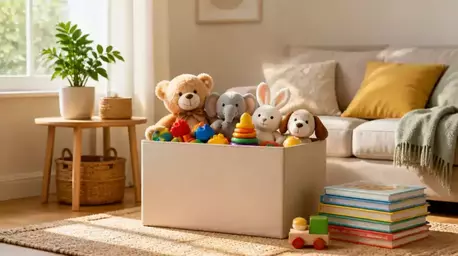
A donation schedule can significantly enhance your decluttering process. Below are the primary benefits represented visually for clarity. For more tips on how to declutter your home with ease, explore our comprehensive guide.
Knowing when to donate minimizes last-minute scrambles and reduces anxiety during decluttering.
Regularly clearing out items allows for a more organized and livable home environment.
Your donations have a direct positive impact on community members in need.
Engaging in donation efforts helps build connections within your community.
When it comes to keeping our homes tidy, especially during seasonal changes, having a donation schedule can be a game changer! At TossNest, I’ve seen firsthand how organizing your decluttering efforts can ease stress and make the process much smoother. By recognizing the importance of timely donations, we not only clear out the clutter but also provide a helping hand to those in need in our community.
Think about those moments leading up to seasonal events—holidays, spring cleaning, or even back-to-school time. If we tackle our clutter and create a donation plan, we can significantly reduce that overwhelming feeling. It allows us to breathe easy and focus on enjoying those special moments with family and friends!
Timely donations offer a variety of benefits that can transform your decluttering experience. Here are some key reasons to create a donation schedule:
These benefits reveal how a simple donation schedule can make tackling clutter not only easier but also more fulfilling. Imagine the joy of knowing your extra items are going to people who need them most! For more insights into how donations strengthen local communities, check out our guide on donating items to strengthen local communities.
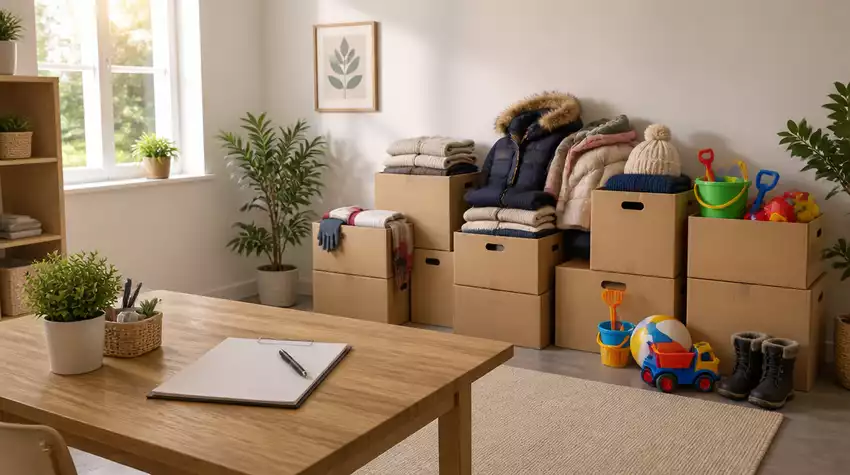
As the seasons change, so do our needs and priorities. Having a donation schedule ensures that you can address clutter before key events without feeling overwhelmed. For example, tackling your decluttering early can help you enjoy a stress-free holiday season.
Here are some tips for making sure you’re ready:
By planning ahead, you can clear out spaces before they get cluttered again, making your home a more inviting place to gather.
As we adopt a donation schedule, we also cultivate sustainable decluttering habits. It’s not just about clearing out items; it’s about fostering a mindset that values simplicity and community. This ongoing practice can lead to a more organized home and a peaceful heart!
Here’s how to maintain these habits:
By nurturing these habits, you’ll maintain a clutter-free environment while contributing positively to the community through your donations.
Donation centers play a crucial role in fostering community connections and engagement. By donating items, you’re not just clearing out space; you’re actively participating in a larger movement. It’s a beautiful way to support your neighbors and create a stronger, more connected community!
Here’s how donation centers benefit everyone:
So, every time you donate, remember that you’re part of something bigger. You’re helping make your community a better place through the simple act of giving! For an in-depth look at how to get involved, explore our guide on organizing a donation drive.
Here's a brief recap of the key points discussed so far:
Decluttering is not just about clearing out physical space; it often involves navigating our emotions. Many of us have sentimental attachments to items that hold memories, making it tough to let go. Understanding how to address these feelings is crucial for a smoother decluttering process. At TossNest, I always encourage my clients to reflect on why certain items are hard to part with, as this awareness can empower us to make more intentional decisions about our belongings.
One effective approach is to recognize that memories are often tied to experiences rather than objects. By honoring the memories associated with items, we can feel free to let go of the physical objects themselves. Asking questions like, “What do I truly cherish about this item?” can help clarify its actual value in your life.
Overcoming sentimental attachments can be challenging, but there are strategies that can ease the process. Here are a few helpful techniques to consider:
By implementing these strategies, you’ll find it easier to create space for new experiences while still honoring the past.
When it comes to letting go of sentimental items, I find that having a plan can make a world of difference. Here are some practical strategies I've seen work well:
These steps can help ease the emotional weight of decluttering, allowing you to move forward more freely.
Decluttering can be a family affair! Involving family members not only makes the process enjoyable but also creates a sense of teamwork. Here are some fun ways to get everyone engaged:
Engaging your family fosters a collective commitment to creating a clean, organized home, and it’s a great way to spend quality time together. For more expert tips, explore our guide on decluttering tips for family homes.
One of the most rewarding aspects of decluttering is the opportunity to give back. At TossNest, we believe that donating items is not just about clearing space; it’s about positively impacting our community. Here’s how you can use philanthropy as motivation:
By focusing on the positive outcomes of your decluttering efforts, you’ll find renewed energy and purpose in the process!
Getting the whole family involved in seasonal decluttering can transform a daunting task into a fun and rewarding experience. Establishing a family-friendly decluttering schedule helps everyone stay on the same page. It also creates opportunities for bonding and shared accomplishment! I often suggest setting aside specific days to tackle different areas of the home together.
Have you ever considered turning decluttering into a family event? Not only will you tackle clutter, but you'll also create lasting memories along the way. Here are some ideas to make it enjoyable:
Creating a family-friendly decluttering schedule can help ensure everyone participates. Here’s how to get started:
This approach not only makes it easier but also fosters teamwork and accountability within the family!
To keep spirits high while decluttering, incorporate fun activities! Here are a few ideas:
These fun elements can make decluttering feel like a light-hearted adventure rather than a chore.
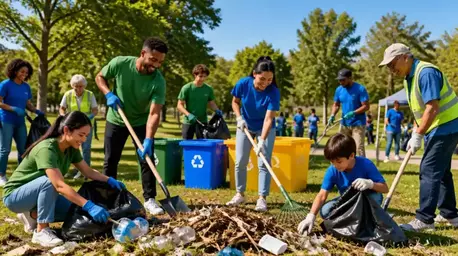
Another way to engage your family in decluttering is by participating in community clean-up events. It’s a fantastic way to declutter while giving back! Here’s how to get involved:
Not only do you declutter your surroundings, but you also strengthen community ties through shared efforts! To discover more about making a difference, read our article on efficient rubbish removal tips.
As we wrap up our journey through seasonal decluttering, let’s recap some of the key strategies we've discussed. Creating a donation schedule is essential to staying organized and making the process smoother. Here’s a quick overview of the main steps:
By honing in on these strategies, you’ll cultivate lasting habits that encourage a clutter-free lifestyle.
It’s not just about decluttering once; it’s about fostering habits that keep your space organized over time! Here are some suggestions to help maintain those clutter-free spaces:
Implementing these practices will support you in maintaining an organized and pleasant living environment.
Living clutter-free offers numerous benefits that go beyond just having a tidy space. Here are a few highlights:
Embracing a clutter-free lifestyle has the potential to enhance your quality of life in many fantastic ways!
Now that you’re equipped with strategies for effective seasonal decluttering, why not take the first step today? With TossNest by your side, you don’t have to go through this process alone! I'm here to help you clear out unwanted items while ensuring they find new homes within our community.
As a special resource, I invite you to access our printable decluttering calendar template. This tool will help you stay organized and accountable throughout your decluttering journey! Feel free to download it directly from our website.
Don’t forget to join our TossNest community! We share ongoing tips, success stories, and support to motivate each other in our decluttering efforts. Together, we can create cleaner, more inviting spaces in our homes and neighborhoods.
If you’re inspired to make a difference beyond decluttering, consider exploring volunteer opportunities with local charities. They welcome helping hands and offer a chance to connect with your community while doing meaningful work. Let’s make a positive impact together!
Here is a quick recap of the important points discussed in the article:
By Maya Kincaid / Sep 24
By Maya Kincaid / Sep 21
By Maya Kincaid / Sep 16