Community Clean-Up Junk Solutions
By Maya Kincaid / Sep 24
What if your simple act of giving could spark a wave of positivity in your community? Donation drives are not just about collecting items; they’re about fostering connections and making impactful changes. This guide provides the essential steps to organize a successful donation drive that can truly make a difference.
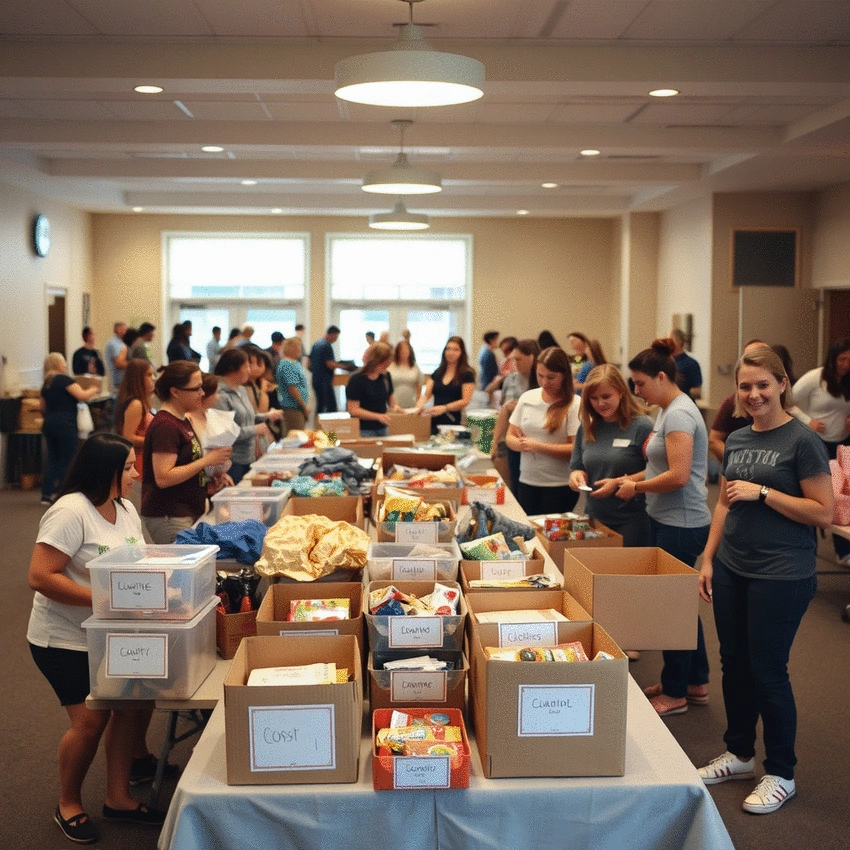
Here are the essential steps to effectively organize a donation drive, illustrated below. For a broader perspective on clearing out your home, explore our tips on decluttering your home with ease.
Choose a cause that resonates with your community, such as helping local schools or families in crisis.
Define specific targets for items or funds raised to motivate participants and track progress.
Involve community members through surveys or meetings to gather input on causes and items to collect.
Thank volunteers and donors through personalized messages or public acknowledgments to foster goodwill.
Donation drives play a vital role in fostering community support and engagement. They bring people together, encouraging a spirit of giving while addressing specific needs within the community. Through these drives, we can significantly impact the lives of those around us, helping them access resources they may lack.
When we think about the power of a donation drive, it's not just about collecting items; it's about creating connections. For instance, a well-organized drive can turn a simple act of decluttering into a moment of community bonding. It transforms unwanted items into valuable resources for those in need, proving that every contribution, no matter how small, has the potential to make a difference.
Choosing the right cause for your donation drive is crucial. Ask yourself what resonates with your audience and what issues they care about most. This could be supporting local schools, assisting families in crisis, or helping the homeless. When people feel connected to a cause, they are more likely to engage and contribute generously. For more ideas on how to contribute, consider learning how to donate unwanted items locally today.
Next, think about the types of items you want to collect. Common donations include clothing, non-perishable food, and household items. However, it's always a great idea to focus on items that are genuinely needed by your chosen cause. At TossNest, we often see how much joy usable items can bring to others, and each donation can create a ripple effect of positivity!
Setting clear fundraising goals is essential for the success of your donation drive. Begin by determining what you want to achieve with this drive. Are you looking to collect a certain number of items or raise a specific amount of money for a cause? Having measurable objectives will help you stay focused and motivated.
Remember, these goals should be achievable but also inspire your community to join in. Ultimately, a well-defined goal can encourage friendly competition, making the donation drive even more engaging. So, let’s take the first steps toward organizing a drive that not only meets goals but also creates lasting community bonds!
Did you know? The success of a donation drive often hinges on effective communication. Regularly update your community through social media, newsletters, or local bulletin boards about your drive's progress. Not only does this keep your audience engaged, but it also builds excitement and encourages more contributions!
As we come to the end of a donation drive, it’s crucial to take a moment to reflect on all the hard work that went into it. At TossNest, we believe in the power of gratitude! Thanking volunteers and donors is a vital part of building a strong community. When you express appreciation, it fosters goodwill and encourages ongoing support for future initiatives.
Make it personal! Send out thank-you notes, host a small appreciation event, or even just share a heartfelt message on social media. You could share the total amount collected or how many families benefited from the donations. This kind of transparency not only celebrates the effort but also strengthens community ties. For those looking to streamline their efforts, consider these efficient rubbish removal tips, which can also apply to managing donations.
Recognizing the contributions of everyone involved can make a lasting impact. Here are some simple yet effective ways to show your appreciation:
Building a culture of gratitude ensures that people feel valued and motivated to support your next drive. Remember, everyone loves to feel appreciated, and a little kindness goes a long way!
After the excitement of the drive, it's time to think about what went well and what could be improved. Gathering feedback from volunteers and participants is essential. Here are some steps to consider:
At TossNest, we love learning from each experience! This iterative approach will help you refine your donation drives, making each one more successful than the last. Plus, it shows your community that you value their input!
Storytelling is a powerful tool when it comes to inspiring future donations and community involvement. Sharing the successes from your drive can motivate others to join in. Highlight how the contributions made a difference. Here are some ideas:
By sharing these stories, you not only celebrate the success but also encourage others to participate in the next drive. Remember, every little bit counts, and your community is watching and ready to help! Let’s keep that spirit alive at TossNest!
Are you ready to make a difference? Implement the steps from this guide and start your own donation drive! Don’t forget to share your success stories with us at TossNest. Your journey can inspire others to declutter and give back to the community!
To make your planning easier, we’ve created a set of handy resources just for you! Click below to access:
These tools can help streamline your efforts and ensure your donation drive is a great success. Let's create a wave of positivity together!
Here are some common questions about organizing and running a successful donation drive:
Here is a quick recap of the important points discussed in the article:
By Maya Kincaid / Sep 24
By Maya Kincaid / Sep 21
By Maya Kincaid / Sep 16