
Community Clean-Up Junk Solutions
By Maya Kincaid / Sep 24
Letting go of sentimental items can be one of the most challenging aspects of decluttering. As you navigate this emotional terrain, understanding the deeper connections we form with our belongings can empower you to create a more harmonious living space. Consider this: How can the act of letting go open doors to new experiences and memories?
Sentimental items can evoke strong feelings and shape our identities, making decluttering a challenging task. Below is a visual representation of the emotional challenges and factors that influence our attachment to sentimental items. If you're looking for broader strategies, check out how to declutter your home with ease for more general tips.
Strong feelings arise from items that remind us of significant events or people.
Belongings often represent who we are and where we come from.
Letting go can feel like losing the memory itself.
Emotional attachments can lead to clutter, creating feelings of overwhelm.
Decluttering can feel like a daunting task, especially when it comes to sentimental items. We all have those special pieces that tug at our heartstrings, but recognizing the emotional challenge can be the first step towards a clearer space. At TossNest, I’ve seen many families face this struggle, and I understand how difficult it can be to let go of items that hold precious memories.
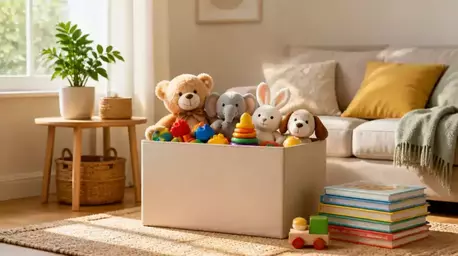
Sentimental items often tell a story. Maybe it's that old teddy bear from childhood or a photograph from a cherished family vacation. These objects carry weight, not just in their physical presence but in the memories we attach to them. It’s important to acknowledge why we hold onto these items, as this understanding can guide us through the decluttering process.
Our possessions can serve as tangible connections to our past. They remind us of joyful moments, loved ones, and milestones. This connection makes it challenging to part with these objects, even when they take up valuable space. Here are a few reasons why we often hold onto memories:
Understanding these factors can help us navigate the emotional landscape of decluttering. Recognizing the importance of these items is a crucial step toward creating a balanced approach to your space. For more family-specific advice, consider these decluttering tips for family homes.
Memories are powerful! Every time we look at a sentimental item, it can transport us back to a specific moment. This emotional connection is why we often clutch onto items that may no longer serve a purpose. It’s as if we believe that the object itself holds the power of the memory.
For instance, a box of letters from a friend can remind us of shared laughter and tears. While these items have emotional value, they can also clutter our physical space. Taking a step back can help us evaluate whether we need to keep these memories in physical form.
Emotional attachments can significantly impact how and where we live. While it's wonderful to have reminders of our past, too many can create a sense of chaos. This clutter can lead to feelings of overwhelm, making it harder to enjoy our current lives.
At TossNest, I encourage families to find a balance. Consider this: if an object is taking up space and causing stress, it might be time to rethink its place in your life. It's all about creating a harmonious environment that reflects both your past and your present. You can also explore the benefits of decluttering for mental clarity.
Attachment theory suggests that our early relationships shape how we connect with others and our belongings. If we have a history of strong attachments, we may find it harder to let go of physical items. This can lead to accumulating items that no longer serve us, which ultimately contributes to clutter.
Recognizing how these patterns play out in our lives can help us understand our emotional ties to objects. With this awareness, we can start to make conscious choices about what to keep and what to let go. Remember, decluttering isn’t just about clearing space; it’s about creating a nurturing environment that supports our well-being.
When faced with the challenge of letting go of sentimental items, try the "one in, one out" rule. For every new item you want to keep, consider letting go of another. This not only helps manage clutter but also encourages a mindful approach to your belongings, ensuring that each piece you keep continues to hold significance in your life.
Decluttering sentimental photos can feel daunting, but there are ways to make it less emotional. Start by sorting your photos into categories, like family events, vacations, or childhood memories. This makes the task more manageable and allows you to focus on one area at a time!
Consider creating a digital archive of your favorites. You can scan physical photos or take pictures of them, which allows you to keep cherished memories without the clutter of physical prints. This way, you can hold onto the moments that matter most while freeing up space at home.
Inherited items can carry a lot of weight emotionally, making it tricky to decide what to do with them. First, take time to reflect on the significance of each piece. Ask yourself, “Does this connect me to my loved one?” and consider sharing stories about the item with family members!
Sometimes, it helps to create a family heirloom box for items that spark joy. You can also document items with photos and stories to keep the memory alive without needing to hold onto every physical piece. Sharing these treasures can also help other family members feel connected.
It's natural to feel guilty about letting go of items, especially those tied to expectations or obligations. Start by acknowledging those feelings—it's okay to feel this way! To ease the burden, focus on the positive impact of decluttering on your space and mental well-being.
Try to remind yourself that it’s not about discarding memories but rather about making room for new experiences. Plus, consider donating items to local charities or friends, knowing they will be appreciated by someone else! This way, you can transform guilt into generosity.
The KonMari Method encourages a thoughtful approach to decluttering by asking if items “spark joy.” This method can be incredibly helpful in tackling emotional clutter! As you go through your belongings, it prompts you to consider the emotional weight of each piece and how it fits into your life.
By focusing on joy, you’ll find it easier to set aside items that no longer serve you. This approach not only lightens your load but also fosters a sense of clarity and purpose in your space. I love sharing these insights from my work at TossNest, as it has truly transformed the decluttering process for many families!
Letting go can be a beautiful part of your decluttering journey. It’s about making space for the things that truly matter in your life. As you embrace this process, remember that it’s okay to feel a range of emotions along the way!
Think about how decluttering can open doors to new memories and experiences. Each item you choose to part with creates a little more room in your life for joy, connection, and organization. Let's celebrate that journey together!
Mindfulness can greatly enhance your decluttering experience. Take a moment to breathe and reflect before starting each session. This helps you stay focused and present! Being intentional about your decisions leads to greater satisfaction in your decluttering process.
As I always say at TossNest, it’s about creating a space that reflects who you are and what you love. It’s not just about getting rid of stuff; it’s about cultivating a home that nurtures you. So why not take a few deep breaths and center yourself before diving in?
Minimalism is more than just a trend—it’s a lifestyle choice that promotes intentional living. By focusing on what truly matters, you can create a home filled with purpose and clarity! This perspective can help you make informed decisions about what to keep and what to let go. For a deeper dive into this topic, consider our guide on effective decluttering systems.
As you explore this journey, ask yourself how each item aligns with your values and goals. Embracing minimalism can lead to a more fulfilling life, one where you cherish each piece you choose to keep. At TossNest, we’re here to support you every step of the way!
Finding support in your decluttering journey is invaluable! Consider joining a local community group or workshop to connect with others who share your goals. This camaraderie will motivate you and provide helpful insights from fellow declutterers. Together, we can make the process fun and rewarding!
Your decluttering journey can inspire others! Share your stories—big or small—on social media or in your community. You never know who might resonate with your experience or find the encouragement they need to start their own journey.
Don’t forget about the tools available to help you stay on track! There are fantastic decluttering apps designed to guide you through the process and keep your goals in sight. These tools can help you track your progress and remind you of your vision for a clutter-free life. If you're looking to efficiently clear out unwanted goods, explore our tips for efficient rubbish removal.
Embrace this journey, and remember, each step you take brings you closer to a more organized, peaceful space. Let's declutter together at TossNest! We’re excited to support you in creating the clean, welcoming environment you deserve.
Here is a quick recap of the important points discussed in the article:
By Maya Kincaid / Sep 24
By Maya Kincaid / Sep 21
By Maya Kincaid / Sep 16