
Community Clean-Up Junk Solutions
By Maya Kincaid / Sep 24
Have you ever felt suffocated by the chaos of clutter in your home? You're not alone! Many families and small businesses struggle with the overwhelming presence of unwanted items, impacting both their living spaces and mental well-being. Understanding how to effectively tackle this clutter can transform your environment and your life.
A structured decluttering method offers clarity and consistency in the decluttering process. The following advantages highlight its importance, helping you to declutter your home with ease:
Provides clarity and direction, reducing anxiety associated with clutter.
Helps maintain a regular decluttering routine, making the process manageable.
Allows individuals to see their achievements, which boosts motivation.
Establishes habits that lead to ongoing organization and cleanliness.
We all know that feeling when our spaces become overrun with clutter. It can be really overwhelming! At TossNest, I see firsthand how clutter can stress families and small businesses alike. It not only affects your home’s appearance but can also impact your mental well-being, making it harder to focus and enjoy your environment.
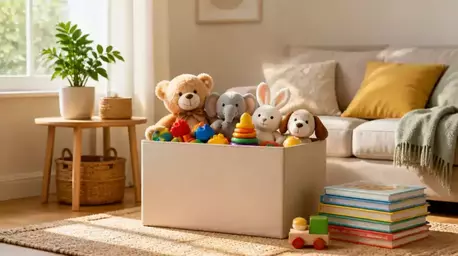
So, what is clutter exactly? It’s more than just physical items taking up space; it’s anything that distracts you from your daily life. This can include old furniture, clothes that no longer fit, or even boxes of forgotten toys tucked away in a corner. Recognizing this clutter is the first step toward regaining control over your space!
When clutter accumulates, it can lead to feelings of anxiety and overwhelm. You may find it hard to relax or even invite friends over. The environment we live in greatly influences our mood and productivity. By identifying and addressing clutter, you’re taking a big step towards a healthier, happier home! For more insights, explore efficient rubbish removal tips.
Having a structured decluttering method is essential because it provides a clear path to follow. Instead of feeling lost, you'll have specific steps to guide you through the process. This is where TossNest comes in—we specialize in creating a friendly and efficient approach to decluttering.
When you have a plan, you're much more likely to stick with it. A structured method not only helps in clearing out your space but also in keeping it organized moving forward. Remember, it’s not just about decluttering once; it’s about creating lasting change!
One of the biggest hurdles in decluttering is dealing with emotional attachments to items. We all have things that hold special memories—like that old stuffed animal or a gift from a loved one. At TossNest, I understand how challenging it can be to let go of these items.
It’s perfectly normal to feel attached, but it’s also important to remember that memories are not stored in objects. By finding a balance, you can declutter responsibly while still honoring your sentiments. Together, we can work through these emotional aspects and help you make room for what truly matters in your life!
Did you know? Setting specific decluttering goals can dramatically improve your progress. Instead of aiming to declutter your entire home in one go, break it down into manageable tasks, focusing on one area or category at a time. This approach not only makes the process less overwhelming but also allows you to celebrate small victories along the way!
As we dive deeper into the decluttering journey, it's only natural to have questions. At TossNest, I often hear similar concerns from families and small business owners looking to create organized spaces. Understanding these common queries can help tailor your decluttering system to fit your unique needs!
Let’s tackle some frequently asked questions that pop up during the decluttering process. Whether you're a busy parent trying to juggle everything or living in a cozy apartment, these insights will help you feel more empowered in your decluttering journey.
Every decluttering journey is different, and that's okay! Here are some tailored answers to common questions that can guide you as you create your own personalized decluttering system.
Reflecting on our decluttering efforts is essential. Think about how a clean and organized space can bring peace and clarity into your life. At TossNest, I’ve seen firsthand how a decluttered environment enhances community well-being, and I believe you can experience that joy too!
As you embark on this journey, consider exploring ebooks and resources that can provide deeper insights into decluttering strategies. These materials can be a great way to keep the momentum going! If you're planning a move, it's also a great time to declutter your home before moving.
Finally, embracing a clutter-free mindset is key to not just enhancing your space but also fostering personal growth. Remember, every small step counts, and soon you’ll find that a clean, organized space can lead to a more peaceful and fulfilling life! For additional help, consider these effective home decluttering tips.
Here is a quick recap of the important points discussed in the article:
By Maya Kincaid / Sep 24
By Maya Kincaid / Sep 21
By Maya Kincaid / Sep 16