Community Clean-Up Junk Solutions
By Maya Kincaid / Sep 24
What if a little decluttering could spark joy and foster connections within our communities? The spaces we share can significantly influence our interactions and well-being, making organization not just a personal task but a communal responsibility.
Here are some significant benefits of creating organized community spaces:
Clutter-free areas promote relaxation and peace of mind. For more insights on decluttering for well-being, read our guide on decluttering your home with ease.
Organized environments help people focus better, whether studying at a library or working in a community center.
A tidy space can inspire fresh ideas and collaboration.
Decluttering is not just a personal journey; it can transform our community spaces into vibrant, welcoming areas. Think about the last time you visited a local park or community center. Did it feel inviting, or did clutter make it seem overwhelming? At TossNest, we're passionate about fostering clean, organized environments that encourage community engagement and well-being!
In this article, I’ll share practical decluttering ideas that can help enhance shared spaces. By working together, we can create inviting environments that promote positive interactions and well-being for everyone. Let’s dive into why decluttering is so important for our communities!
When we prioritize decluttering in shared spaces, we elevate the overall experience for everyone involved. A clean area can spark joy and encourage more people to engage in activities. So, why does this matter? Let me highlight a few key reasons:
By fostering a clutter-free environment, we create the perfect backdrop for community engagement. It’s amazing how a little cleanup can lead to big results in how people connect and interact!
Have you ever noticed how a messy space can make people feel uninvited? When shared areas are well-organized, it encourages community members to feel more comfortable and engaged. Imagine hosting events or activities in a clean park; the atmosphere would undoubtedly be more positive and inviting! You can also apply these principles to your home, learning how to declutter a family home for a more harmonious living space.
At TossNest, we believe in the power of community. When we work together to declutter our spaces, we not only improve our surroundings but also strengthen relationships and connections. A clean environment can help foster a lively community spirit, bringing people together in ways we never imagined!
Clutter can have a surprising impact on our mental health. Studies show that disorganization can lead to stress and anxiety, making it harder for us to focus on what truly matters. Here are a few benefits of creating organized community spaces:
By prioritizing organization in our community spaces, we’re not just cleaning up; we’re actively contributing to the mental well-being of all community members. It’s a win-win situation!
Now that we understand the importance of decluttering, let’s take a look at some common community spaces that could benefit from a little TLC! Recognizing areas that need attention is the first step toward creating inviting environments.
Each of these spaces plays a crucial role in our community, and a little decluttering can go a long way! Let’s explore how we can work together to improve these areas and make them more welcoming for everyone.
Did you know? Engaging community members in decluttering not only improves the environment but also strengthens social bonds. Consider organizing a themed decluttering event, such as a "Spring Clean-Up" or "Neighborhood Swap," where residents can declutter their homes while connecting with neighbors. This not only promotes a cleaner community but fosters a sense of belonging and collaboration!
Decluttering community spaces enhances engagement, improves aesthetics, fosters responsibility, reduces stress, and boosts creativity, making these areas more welcoming and functional for everyone.
Organized spaces lead to reduced stress levels, increased productivity, and boosted creativity, contributing to the overall well-being of community members.
Libraries, community centers, parks, outdoor areas, schools, and community gardens are common spaces that significantly benefit from decluttering efforts.
Communities can encourage organization through partnerships with local organizations, joint decluttering events, resource sharing, awareness campaigns, and promoting local decluttering services.
Public-private partnerships involve collaboration between local governments and organizations. They help by providing access to funding and resources, sharing knowledge, and creating a framework for the long-term maintenance of decluttered areas, ensuring sustainable community spaces.
At TossNest, we believe that fostering a culture of organization isn't just about cleaning up; it’s about building connections within our neighborhoods. When communities come together to declutter, they cultivate stronger relationships and a sense of shared responsibility. Let's explore some practical and engaging ways to encourage this culture, ensuring that we not only tidy up but also create a more vibrant community for everyone!
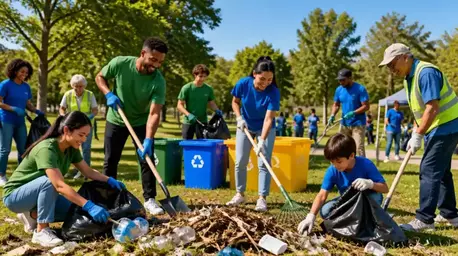
One of the most effective strategies we can use is to build partnerships with local organizations. By collaborating with these groups, we can leverage their resources and expertise. Imagine organizing a community clean-up day alongside your local youth group or environmental organization! Not only does this create a fun atmosphere, but it also provides a platform for spreading awareness about the importance of decluttering. For tips on managing waste during such events, consider our guide on efficient rubbish removal.
When we partner with neighborhood groups, we create a more significant impact. Here are some ideas on how we can work together:
Additionally, promoting local decluttering services can provide ongoing support. By highlighting businesses like TossNest, residents can access valuable resources when they need help with decluttering. This not only helps individuals but strengthens our community ties as well.
Working together with local organizations brings everyone closer to our goals. Here are some specific ways to involve neighborhood groups:
Creating a sense of joint ownership in our community spaces can spark enthusiasm and excitement around decluttering efforts. For those looking to support local initiatives, don't forget to donate unwanted items locally.
In addition to fostering partnerships, actively promoting local decluttering services can help maintain momentum. Consider sharing:
This outreach can provide ongoing support for individuals looking to organize their homes and shared spaces.
Establishing public-private partnerships is another powerful way to enhance our community spaces. By collaborating with local governments and organizations, we can achieve sustainability goals while decluttering. Here are some benefits:
By implementing these partnerships, we can create a lasting culture of organization that benefits everyone. Thinking about moving? It's a great time to declutter responsibly; learn more about decluttering your home before moving.
When we all come together, we can make a real difference in our neighborhoods. It’s vital to motivate community members to participate in decluttering initiatives because every little bit helps. Whether it’s cleaning a local park or organizing a neighborhood swap, each action contributes to a more inviting community.
So, what can you do? I encourage you to join local events and lend your hands to make a difference! Share your decluttering stories on social media, and don’t forget to tag TossNest. Let’s inspire others to get involved in this rewarding journey!
As we look ahead, future trends will likely integrate urban design and sustainability into our community spaces. By embracing these ideas, we can create beautiful, functional areas that enhance our quality of life. Together, we can cultivate a culture of organization, making our neighborhoods cleaner, happier places to live!
Here is a quick recap of the important points discussed in the article:
By Maya Kincaid / Sep 24
By Maya Kincaid / Sep 21
By Maya Kincaid / Sep 16