Community Clean-Up Junk Solutions
By Maya Kincaid / Sep 24
Did you know that donating unwanted items not only declutters your home but also strengthens community bonds? A single act of generosity can create waves of positive change. Let’s dive into the significance of your contribution and how it can transform not just your space but also the lives of others.
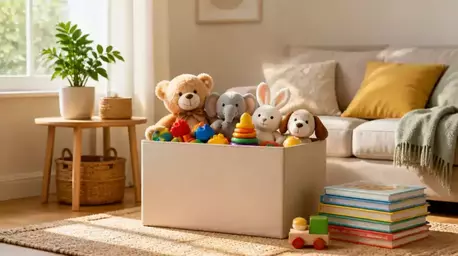
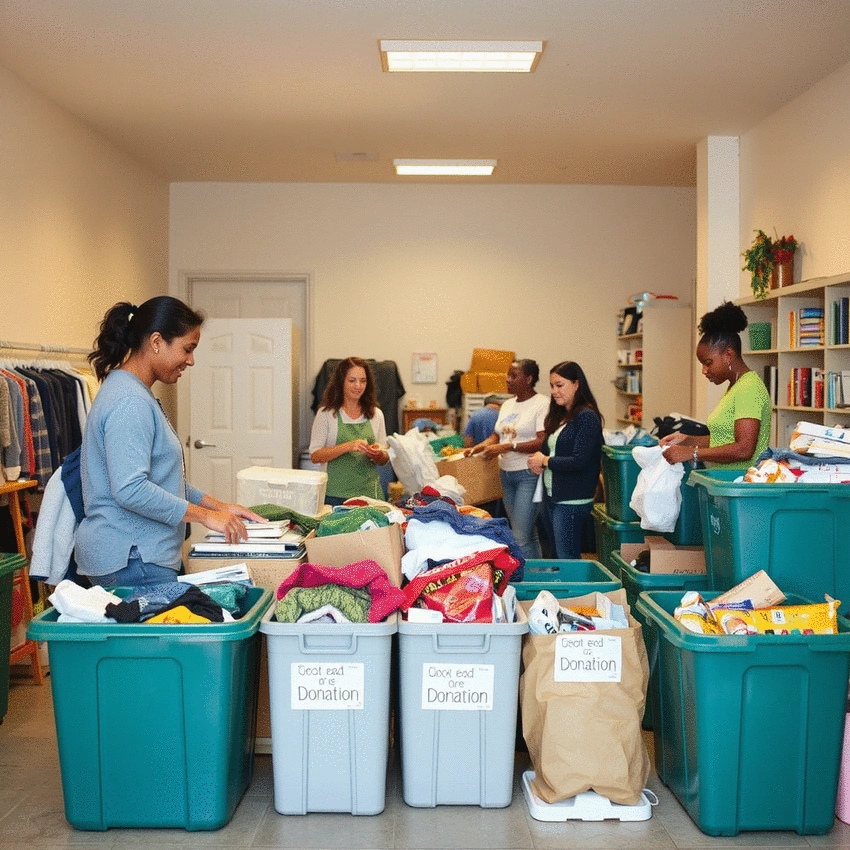
Donating unwanted items brings numerous benefits to individuals and communities alike, highlighted in the visual below.
Your gently used items can provide essential support to families and individuals.
Engaging with local charities fosters a sense of belonging and community spirit.
A decluttered home leads to a clearer mind and a more organized space.
Donated items often find new homes instead of contributing to landfill overflow.
Many charities recycle items that can’t be reused, ensuring materials are repurposed.
Supporting local charities creates a cycle of giving and receiving within the community.
At TossNest, we believe that *donating unwanted items* is not just about clearing out your space; it’s about creating a ripple effect of positivity in your community! When we donate, we don't just lighten our load; we also help those in need and reduce waste. Let's explore why donating is so beneficial for both you and your neighborhood.
Donating unwanted items can bring a *sense of satisfaction* and purpose. By giving away items you no longer need, you create room for what truly matters in your life. Plus, knowing that your items can help someone else or support local charities brings a warm feeling that money can't buy!
Here’s how donating benefits both you and your community:
At TossNest, we see firsthand how the act of donating can transform lives. Every item we help remove is a step toward a *cleaner, more compassionate neighborhood*.
When you donate, you're not just helping individuals but the planet as well! Donating items diverts waste from landfills and promotes **sustainable practices**. It's a simple way to reduce our carbon footprint while benefiting our local ecosystems.
Here are some key points about the environmental impact of donations:
By donating your unwanted items, you take part in a movement towards a more sustainable future. At TossNest, we’re excited to be part of this change, helping families and offices embrace both decluttering and *responsibility to our planet*!
Did you know? Documenting your donations can enhance your decluttering experience! Consider keeping a list of items you donate along with the charities you support. Not only does this help you track your contributions, but it also provides a sense of accomplishment and purpose as you witness the positive impact of your efforts on your community.
Giving back to our community through donations is not just about clearing out clutter; it’s about creating connections and making a difference. At TossNest, we believe that every donation can tell a story and spark a change! By sharing your donation experience, you not only inspire others but also highlight the impact of collective efforts in enhancing our neighborhoods.
When you share your journey, you encourage others to reflect on their own belongings and consider how they can contribute. Here are a few ways you can share your donation experiences:
By doing this, you create a ripple effect of kindness and inspire those around you to think about their role in supporting the community.
Seasonal drives are a fantastic way to engage with your community through responsible giving. These initiatives often focus on specific needs during certain times of the year, like winter clothing or holiday toys. Getting involved can be as simple as organizing a collection drive at your workplace or school. Here’s how you can make a difference:
By participating in these seasonal efforts, you not only help those in need but also create a sense of community spirit and unity.
Collaboration is key when it comes to maximizing the impact of your donations. Local services such as crisis centers and social services often have ongoing needs that change frequently. Working with them can provide insight into what the community truly needs. Here’s how you can get involved:
By working together, we can amplify our efforts and ensure that donations reach those who need them most. The Charity Navigator offers insights into donating goods, helping you make informed decisions about where your contributions can have the greatest impact. At TossNest, we love partnering with local organizations to make a bigger impact together!
As we wrap up our discussion on responsible giving, remember that every donation counts! Whether you’re decluttering your home or organizing a community drive, your efforts contribute to a greater purpose. Together, we can create cleaner, more supportive neighborhoods, reinforcing the idea that we’re all in this together!
So, how can you start your donation journey today? Think about your unwanted items, research local charities, and take that first step toward making a positive change in your community. At TossNest, we’re here to help you every step of the way. Let’s make decluttering a joyful experience that leaves a lasting impact on our local community!
Here is a quick recap of the important points discussed in the article:
By Maya Kincaid / Sep 24
By Maya Kincaid / Sep 21
By Maya Kincaid / Sep 16