Community Clean-Up Junk Solutions
By Maya Kincaid / Sep 24
Recycling isn’t just a buzzword; it’s a vital component of effective junk removal that impacts our planet and communities. By understanding its importance, we can all contribute to a more sustainable future. Let's explore how recycling shapes the junk removal landscape and why it matters more than ever.
Key statistics highlight the significance of recycling in reducing waste and conserving resources.
Only 35% of recyclable materials are actually recycled in the U.S.
Recycling can reduce landfill waste by up to 75%!
For every ton of recycled paper, we save 17 trees and conserve water.
When we think about junk removal, we often focus on clearing out space. But did you know that recycling plays a vital role in this process? At TossNest, we prioritize recycling because it not only helps our planet but also improves our communities.
Recycling involves collecting and processing materials that would otherwise be thrown away, turning them into new products. This practice is essential in junk removal, as it reduces the amount of waste going to landfills. By recycling, we can give new life to items that might otherwise be considered trash! To learn more about how to efficiently clear out your space, check out our tips for efficient rubbish removal.
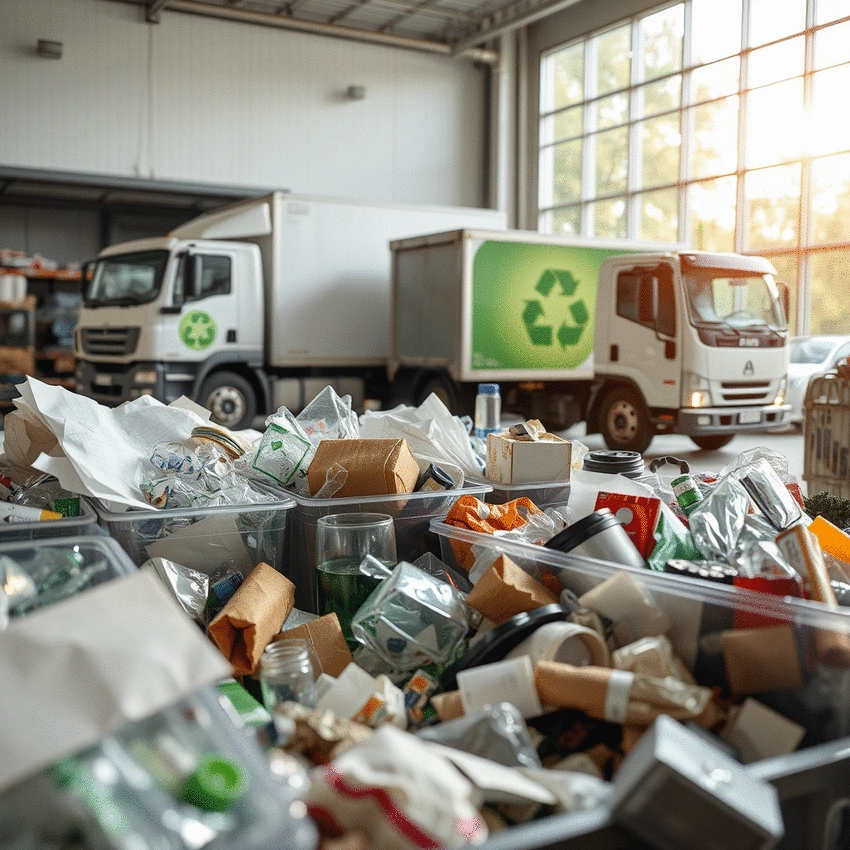
During the junk removal process, we sort through items to identify what can be recycled. This is where our team at TossNest shines! We ensure that recyclable materials are separated and sent to the appropriate facilities, maximizing our community's environmental impact.
Did you know that recycling can save our planet's precious materials? When we recycle metals, plastics, and glass, we help conserve natural resources and energy. For example, recycling aluminum saves 95% of the energy needed to create new aluminum!
By choosing TossNest for your junk removal, you contribute to this resource conservation effort. We actively prioritize recycling, helping to reduce the demand for new materials and cut down on energy consumption. Together, we can create a cleaner, more sustainable future!
One of the biggest benefits of recycling is reducing landfill waste. Every item we recycle means less garbage in our landfills. This is crucial because landfills have a limited lifespan, and as they fill up, they can create serious environmental issues.
By prioritizing recycling during junk removal, we can extend the lifespan of these waste sites. TossNest aims to divert as much waste as possible from landfills, ensuring that our communities remain clean and safe for future generations. For more information on responsible waste disposal, consider reading about eco-friendly home junk removal.
Recycling also plays an essential role in minimizing pollution and greenhouse gas emissions. When we recycle, we reduce the need for manufacturing new products, which often involves energy-intensive processes that contribute to pollution.
At TossNest, we believe in a cleaner future, and that starts with responsible junk removal practices. By recycling, we help lower greenhouse gas emissions, making a positive impact on our environment and improving air quality in our communities.
Managing hazardous waste properly is crucial for community health. Some items, like batteries and electronics, contain harmful materials that can leach into the environment if not disposed of correctly. Recycling helps us handle these materials safely!
TossNest takes the responsibility of recycling hazardous waste seriously. We ensure that all hazardous items are sorted and sent to specialized facilities that can process them safely, protecting our community's health and well-being.
Adopting eco-friendly practices is essential in junk removal. At TossNest, we not only focus on recycling but also emphasize sorting items and donating usable goods. This way, we can give back to the community while reducing waste.
While recycling is vital, it comes with its challenges. Contamination is one of the biggest issues, as improper items can spoil entire batches of recyclables. Compliance with local regulations is also crucial in ensuring safe and effective recycling.
At TossNest, we stay informed about recycling guidelines and make it our mission to educate our clients about what can and cannot be recycled. By working together, we can overcome these challenges and make a real difference!
Did you know that recycling during junk removal can lead to cost savings? By reducing the amount of waste that goes to landfills, we can help lower waste disposal fees for both consumers and businesses. This is a win-win!
When you choose TossNest for your junk removal needs, you're not just making an environmentally friendly choice; you're also making a financially smart decision. Let's work together to save money while taking care of our planet!
When considering junk removal, you might wonder whether to DIY or hire professionals. While DIY can save money, it often lacks the expertise needed for proper recycling. Hiring a service like TossNest ensures that your items are handled responsibly.
Our team is trained in eco-friendly practices, and we take the guesswork out of recycling. With TossNest, you can rest easy knowing that your junk is being removed with the environment and community in mind!
Effective waste management strategies rely heavily on recycling programs. These initiatives help communities improve their recycling rates and reduce landfill waste. TossNest supports local recycling efforts, working alongside community programs to enhance our collective impact.
By staying involved in these recycling initiatives, we can help shape a cleaner, greener future for our neighborhoods. Together, we can make recycling a priority!
The concept of a circular economy is changing the way we think about junk removal. In this model, resources are reused and recycled continually, reducing waste and promoting sustainability.
At TossNest, we embrace the circular economy by ensuring that as many items as possible are recycled or repurposed. This approach not only benefits the environment but also fosters a sense of community responsibility. For more ideas on how to manage unwanted items, explore options to donate unwanted items locally today.
Upcycling and reuse are incredible practices that add value to items that might otherwise be tossed away. Instead of being discarded, furniture can be transformed, and clothing can be repurposed into something new!
At TossNest, we love to emphasize the importance of upcycling during our junk removal services. By finding creative ways to give new life to items, we contribute to reducing waste and fostering a culture of sustainability. Together, we can turn junk into treasures! If you're looking for ways to clear out your possessions and make a positive impact, consider how to declutter your home with ease before your next junk removal project.
Here's a brief recap of the key points discussed so far:
When we talk about recycling in junk removal, it’s not just theory; there are real-world examples that highlight its significance! Case studies can show us how organizations implement eco-friendly practices and the impact they have on their communities. For instance, at TossNest, I often share stories of our efforts in local decluttering projects where recycling plays a starring role.
It's inspiring to see businesses successfully integrating these practices. They not only improve their environmental footprint but also foster a sense of community well-being. Below, let’s explore some standout cases that demonstrate effective recycling strategies in action.
Visual aids can be powerful tools in conveying important information about recycling. Infographics make it easier to grasp complex statistics, and they can help engage the community in discussions about waste management. At TossNest, I find that sharing visuals during community workshops sparks interest and encourages participation!
Some key statistics that often resonate include:
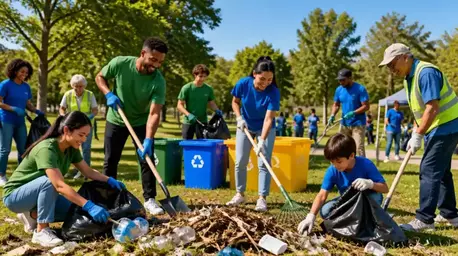
Education is crucial when it comes to promoting recycling and sustainable practices. Community initiatives can really empower individuals to take action. At TossNest, I love engaging with families and small businesses to provide them with the tools they need to declutter responsibly.
Here are some effective ways organizations can educate communities on recycling:
By fostering awareness and providing hands-on experiences, communities can transform their attitudes towards recycling and junk removal!
Here are some common questions about recycling and its role in junk removal:
As we wrap up our discussion, let’s reflect on the vital role that recycling plays in the junk removal process. From conserving resources to protecting our community health, the benefits are clear. I encourage you to think about how you can incorporate eco-friendly practices in your own decluttering projects.
At TossNest, we’re here to support your journey toward a cleaner, more organized space while prioritizing sustainability. Together, we can make a difference! If you're ready to declutter responsibly, consider reaching out to us for our eco-friendly junk removal services. Let’s work together to promote a cleaner, more inviting community!
Here are some quick answers to common questions about e-waste recycling and sorting:
Here is a quick recap of the important points discussed in the article:
By Maya Kincaid / Sep 24
By Maya Kincaid / Sep 21
By Maya Kincaid / Sep 16