Community Clean-Up Junk Solutions
By Maya Kincaid / Sep 24
Have you ever considered how your everyday choices impact the environment? Sustainable living is not just an abstract concept; it's a practical approach that intertwines with our daily actions, especially when it comes to decluttering. By understanding the significance of junk removal in this context, you can contribute to a healthier planet and a more sustainable future.
The following statistics highlight the significant impact of waste on our environment:
Over 50 million tons of e-waste is generated globally each year.
Food waste accounts for nearly 30-40% of the food supply in the U.S.
Landfills are the third-largest source of methane emissions in the U.S.
Sustainable living is all about making choices that protect our planet for future generations. At TossNest, we believe that decluttering goes hand-in-hand with sustainability. When we remove unwanted items, we’re not just cleaning our spaces, but also reducing our carbon footprint and ensuring that usable goods find new homes. To put it simply, every small step towards sustainable living counts!
Sustainable living means using resources in a way that meets our needs without compromising the ability of future generations to meet theirs. It's about being conscious of our choices and their impact on the environment. Why does this matter? Because the more we embrace sustainable practices, the healthier our planet becomes!
One way to practice sustainability is by integrating it into our daily lives. Here are some everyday actions to consider:
At TossNest, we encourage these practices because they foster a healthier community and environment. Every effort you make adds up, and together we can create a significant impact!
Did you know that waste contributes significantly to environmental issues? When we throw things away, they often end up in landfills, where they can release harmful chemicals and greenhouse gases. This not only affects our air and water quality but also contributes to climate change. By choosing responsible junk removal, we can help mitigate these issues and promote a cleaner, greener world.
Understanding how we manage waste is essential. The disposal hierarchy prioritizes methods that have the least environmental impact. Here’s how it breaks down:
This hierarchy helps us focus on what we can do to minimize waste and promote sustainability. TossNest stands firmly behind these principles, ensuring that we prioritize donating usable items and recycling whenever possible!
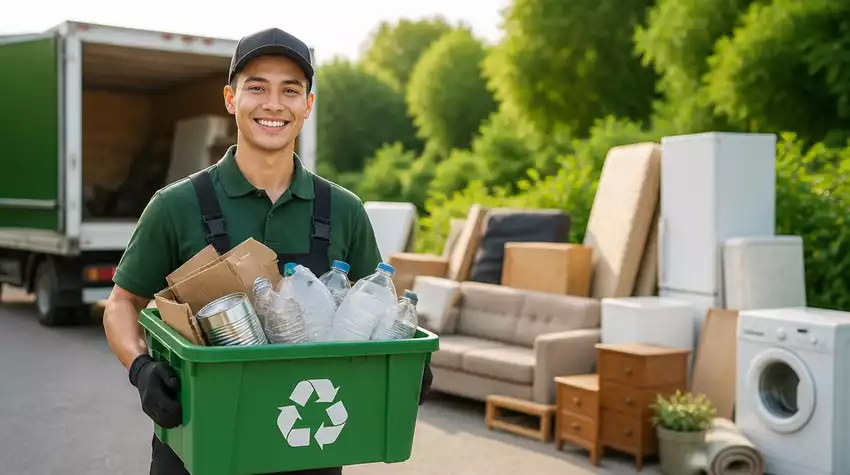
When decluttering, think of it as an opportunity to help others. Donating items that you no longer need allows them to find new life while helping those in need. Recycling goes a step further by processing materials to keep them out of landfills. Embracing these priorities not only benefits the environment but also fosters a sense of community.
Landfill diversion refers to strategies that keep waste from being disposed of in landfills. This can include:
By diverting waste, we reduce the strain on landfills and promote a more sustainable future. At TossNest, we work to ensure that as much material as possible is diverted from landfills, paving the way for a cleaner environment.
Recycling plays a crucial role in sustainable living. It helps conserve natural resources, saves energy, and reduces pollution. Plus, recycling can create jobs and stimulate the economy! By recycling, we actively participate in a circular economy—a system that benefits both people and the planet.
When it comes to junk removal, understanding the environmental impact is key. The statistics on waste are staggering. For instance, did you know that e-waste is one of the fastest-growing waste streams? Additionally, a significant percentage of food waste ends up in landfills, contributing to methane emissions. That’s why responsible junk removal is so important!
To give you a clearer picture:
These numbers highlight just how critical it is for us to rethink our waste management practices, embrace sustainable junk removal, and work towards reducing waste!
When we engage in sustainable junk removal, we see a range of positive outcomes, such as:
At TossNest, we take pride in knowing that our work contributes to these positive changes. Every item we remove responsibly has the potential to make a difference!
Finally, let’s not forget about the broader impacts of sustainable junk removal. By reducing waste and promoting recycling, we help protect biodiversity and improve public health. Clean environments lead to healthier communities, and that’s a goal worth working towards!
When we think of junk removal, we often focus on the individual, but the community benefits are enormous! Eco-friendly junk removal practices enhance neighborhoods and support local economies. Here’s how:
At TossNest, we love seeing how our efforts contribute to the overall well-being of our neighborhoods! It’s about more than just removing junk; it’s about building a better community together.
When communities prioritize eco-friendly junk removal, they create nicer spaces for everyone to enjoy. Clean parks, clear streets, and well-maintained facilities promote a sense of pride and belonging. Let’s work together to keep our neighborhoods looking their best!
Reusing materials not only helps the environment but also stimulates economic growth. By donating items and supporting local businesses, we create a circular economy where resources are kept in use longer. This approach fosters innovation and job creation while benefiting our world.
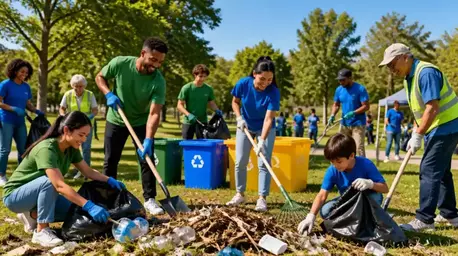
Participating in community clean-up initiatives is a fantastic way to make a tangible difference! These events bring people together and foster a spirit of camaraderie. Here’s what you can do:
Every little bit helps! At TossNest, we’re always excited to support these initiatives and encourage our community to get involved.
If you're ready to take action, I have some practical tips to help you on your sustainable decluttering journey! Implementing the “3 R’s” is a great place to start. Here’s how:
Remember, even small changes can lead to significant results, and TossNest is here to help support you along the way!
Establishing regular decluttering habits is essential for maintaining a sustainable home. Consider creating a monthly decluttering schedule. Here are some simple steps to follow:
This approach makes decluttering less overwhelming and helps you stay focused on your sustainable living goals!
Have you ever thought about turning something old into something new? Upcycling is a fantastic way to breathe new life into items that might otherwise end up in the trash. Here are a few ideas to spark your creativity:
At TossNest, we love seeing how creativity can lead to sustainable solutions! Let your imagination run wild and see what treasures you can create from your clutter.
When selecting a junk removal service, it's essential to find one that prioritizes sustainability. Here’s a verification checklist to help you choose wisely:
At TossNest, we adhere to these principles to ensure our services align with sustainable living practices. We want to be your trusted partner in decluttering responsibly!
When evaluating potential junk removal companies, check for the following:
Taking the time to choose a responsible service can make all the difference for our planet!
When looking into eco-friendly junk removal services, consider their green credentials. Ask questions like:
Finding a service that aligns with your values is crucial for promoting sustainable living.
Green certifications can indicate a company's commitment to eco-friendly practices. These certifications often require companies to meet specific environmental standards. By choosing a certified junk removal service, you can feel confident that your decluttering efforts support sustainable practices!
Here's a brief recap of the key points discussed so far:
As we move toward a more sustainable future, it’s crucial to stay informed about the evolving landscape of junk removal. At TossNest, I’ve noticed that understanding both regulatory aspects and innovative technological solutions can significantly enhance our community's decluttering efforts. In this section, let’s explore some key trends and challenges we face in the junk removal industry.
First, regulatory and legal aspects play a vital role in shaping how we manage waste. Local laws can affect everything from the types of materials we can donate to the incentives available for responsible disposal. By being aware of these regulations, we can ensure that our practices are not only eco-friendly but also compliant with local guidelines.
Taking a closer look at local zoning laws can reveal exciting opportunities for community members. Did you know that some local governments offer tax incentives for donating items? This means that every time you declutter, not only are you helping your community, but you might also see financial benefits!
Moreover, it’s essential to recognize our legal responsibilities, especially when it comes to hazardous waste disposal. Understanding these obligations can prevent potential penalties and ensure that we’re protecting both our environment and our community. Here are some key points to consider:
Local zoning regulations can influence junk removal processes. It’s vital to research these laws as they can offer insights into what materials can be donated or disposed of in your area. By taking advantage of tax incentives for donations, you’re not only decluttering but also contributing positively to your community. Isn’t that a win-win?
Furthermore, staying updated on changes in regulations can help you navigate your decluttering journey smoothly. This can empower you to make informed decisions about your unwanted items, ensuring they find a responsible new home.
Disposing of hazardous waste properly is another significant aspect of junk removal. Whether it’s old batteries, paint, or electronics, there are specific guidelines to follow. Neglecting these can lead to severe consequences for the environment and your community.
It's vital that we all understand these legal responsibilities, as they can help us minimize our impact on the environment. Here are the main points to keep in mind:
As technology advances, innovative solutions are emerging to streamline junk removal processes. Tools like AI and blockchain are making waves in waste management, and at TossNest, I believe it’s essential to embrace these advancements for a more sustainable future.
For instance, smart bin sensors can provide real-time data on waste levels, enabling more efficient collection schedules. This not only reduces overall emissions but also enhances recycling efforts. Here’s how technology is transforming the junk removal landscape:
The integration of AI and blockchain in junk removal can promote transparency and efficiency. This not only helps service providers like TossNest improve operations but also reassures customers that their waste is being handled responsibly. Embracing these technologies makes a difference in how we approach sustainability.
As we dive deeper into this tech-driven future, it’s exciting to think about how these innovations can make our neighborhoods cleaner and more organized!
Businesses have a crucial role to play in sustainable junk removal. Integrating junk removal services into environmental, social, and governance (ESG) goals can significantly enhance a company’s reputation and community impact. At TossNest, I believe every business can make a difference.
By adopting best practices for waste management systems, companies can lead by example, encouraging their employees and customers to embrace sustainable practices. Here are some strategies that businesses can implement:
Integrating junk removal into a company's ESG goals can enhance their sustainability efforts. By doing so, businesses help foster a culture of responsibility while contributing positively to their communities. This isn’t just about compliance; it’s about making a meaningful difference!
Encouraging responsible consumerism through corporate practices can inspire customers to adopt similar values, fostering a ripple effect of sustainability.
While decluttering is essential for sustainability, emotional attachments to items can create psychological barriers. Many of us find it challenging to let go of things, even when we know it’s time to declutter. At TossNest, I empathize with these feelings and want to help you navigate them.
Recognizing these barriers is the first step toward overcoming them. Here are some strategies that can assist in the decluttering process:
Addressing these emotional attachments can be a journey. I often encourage my clients to ask themselves, “Does this item bring me joy or serve a purpose?” This reflection can make the decision to let go much easier! Remember, decluttering is not just about clearing space; it’s about creating a happier and healthier environment.
With the right mindset and support, you can overcome these psychological hurdles and embrace sustainable living fully!
Here is a quick recap of the important points discussed in the article:
Here are some common questions about sustainable junk removal and its impact:
As we move toward a more sustainable future, it’s crucial to stay informed about the evolving landscape of junk removal. At TossNest, I’ve noticed that understanding both regulatory aspects and innovative technological solutions can significantly enhance our community's decluttering efforts. In this section, let’s explore some key trends and challenges we face in the junk removal industry.
First, regulatory and legal aspects play a vital role in shaping how we manage waste. Local laws can affect everything from the types of materials we can donate to the incentives available for responsible disposal. By being aware of these regulations, we can ensure that our practices are not only eco-friendly but also compliant with local guidelines.
Taking a closer look at local zoning laws can reveal exciting opportunities for community members. Did you know that some local governments offer tax incentives for donating items? This means that every time you declutter, not only are you helping your community, but you might also see financial benefits!
Moreover, it’s essential to recognize our legal responsibilities, especially when it comes to hazardous waste disposal. Understanding these obligations can prevent potential penalties and ensure that we’re protecting both our environment and our community. Here are some key points to consider:
Local zoning regulations can influence junk removal processes. It’s vital to research these laws as they can offer insights into what materials can be donated or disposed of in your area. By taking advantage of tax incentives for donations, you’re not only decluttering but also contributing positively to your community. Isn’t that a win-win?
Furthermore, staying updated on changes in regulations can help you navigate your decluttering journey smoothly. This can empower you to make informed decisions about your unwanted items, ensuring they find a responsible new home.
Disposing of hazardous waste properly is another significant aspect of junk removal. Whether it’s old batteries, paint, or electronics, there are specific guidelines to follow. Neglecting these can lead to severe consequences for the environment and your community.
It's vital that we all understand these legal responsibilities, as they can help us minimize our impact on the environment. Here are the main points to keep in mind:
As technology advances, innovative solutions are emerging to streamline junk removal processes. Tools like AI and blockchain are making waves in waste management, and at TossNest, I believe it’s essential to embrace these advancements for a more sustainable future.
For instance, smart bin sensors can provide real-time data on waste levels, enabling more efficient collection schedules. This not only reduces overall emissions but also enhances recycling efforts. Here’s how technology is transforming the junk removal landscape:
The integration of AI and blockchain in junk removal can promote transparency and efficiency. This not only helps service providers like TossNest improve operations but also reassures customers that their waste is being handled responsibly. Embracing these technologies makes a difference in how we approach sustainability.
As we dive deeper into this tech-driven future, it’s exciting to think about how these innovations can make our neighborhoods cleaner and more organized!
Businesses have a crucial role to play in sustainable junk removal. Integrating junk removal services into environmental, social, and governance (ESG) goals can significantly enhance a company’s reputation and community impact. At TossNest, I believe every business can make a difference.
By adopting best practices for waste management systems, companies can lead by example, encouraging their employees and customers to embrace sustainable practices. Here are some strategies that businesses can implement:
Integrating junk removal into a company's ESG goals can enhance their sustainability efforts. By doing so, businesses help foster a culture of responsibility while contributing positively to their communities. This isn’t just about compliance; it’s about making a meaningful difference!
Encouraging responsible consumerism through corporate practices can inspire customers to adopt similar values, fostering a ripple effect of sustainability.
While decluttering is essential for sustainability, emotional attachments to items can create psychological barriers. Many of us find it challenging to let go of things, even when we know it’s time to declutter. At TossNest, I empathize with these feelings and want to help you navigate them.
Recognizing these barriers is the first step toward overcoming them. Here are some strategies that can assist in the decluttering process:
Addressing these emotional attachments can be a journey. I often encourage my clients to ask themselves, “Does this item bring me joy or serve a purpose?” This reflection can make the decision to let go much easier! Remember, decluttering is not just about clearing space; it’s about creating a happier and healthier environment.
With the right mindset and support, you can overcome these psychological hurdles and embrace sustainable living fully!
Here is a quick recap of the important points discussed in the article:
By Maya Kincaid / Sep 24
By Maya Kincaid / Sep 21
By Maya Kincaid / Sep 16