Community Clean-Up Junk Solutions
By Maya Kincaid / Sep 24
What if every item you no longer need could help change a life? The journey of decluttering extends beyond just cleaning out your space; it involves ensuring your unwanted items find new homes. This guide will walk you through the essential steps to prepare your donations, highlighting why this process matters not just for you, but for your community.
Preparing your items for donation involves several crucial steps. Below are the essential phases visually summarized for clarity. For more in-depth guidance on clearing out your home, check out our tips on how to declutter your home with ease.
Decide which items are in good condition for donation.
Make sure everything is presentable and usable.
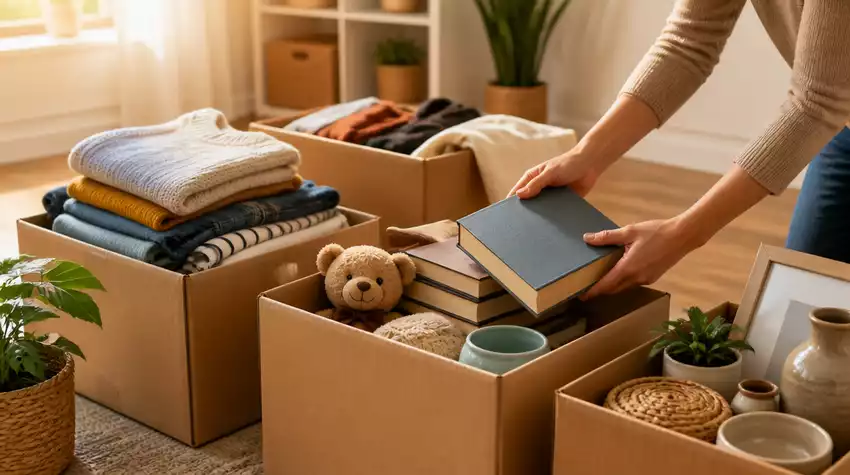
Use appropriate boxes or bags to protect the items during transport.
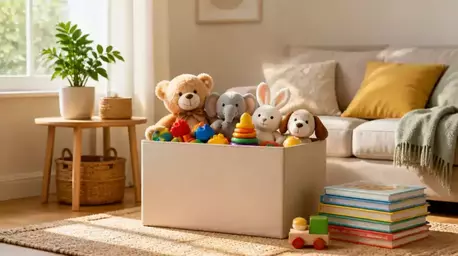
Ensure electronics and toys are in good working order.
When you decide to declutter your space, the journey doesn’t end with just cleaning out your closets. There’s a significant next step: preparing your items for donation. At TossNest, I believe that responsible decluttering means ensuring your unwanted items find new homes where they can be useful again. This process not only helps you create a clean and organized space but also contributes positively to our community.
It's essential to understand the post-decluttering process as a vital part of your decluttering journey. This includes sorting through the items, ensuring they are in good condition, and deciding where to send them. Knowing the importance of preparation can make all the difference in how effectively you donate and how much your contributions help others!
After you’ve decluttered, it’s time to focus on the next phase: preparing those items for donation. This means taking stock of what you've removed from your space and deciding which items can truly benefit someone else. It’s a chance to reflect on each item’s value and how it can positively impact others.
The post-decluttering process can be broken down into key steps: sorting, cleaning, and packaging. Each step is crucial in ensuring that your donations are not only accepted but also cherished by their new owners. By preparing your items thoughtfully, you embrace the spirit of giving and community. For more insights on how to streamline your decluttering efforts, explore our effective home decluttering tips.
Donating your unwanted items is about more than just clearing space; it’s about making conscious choices that matter. Every item you donate has the potential to change someone's life, whether that’s providing clothing to a family in need or giving a child a cherished toy. At TossNest, I often see firsthand how decluttering can lead to a cycle of giving back to our community.
When we donate, we contribute to sustainability and reduce waste. It’s an opportunity to ensure that items that might otherwise end up in landfills are reused and appreciated. In addition to helping individuals, your donations can support local charities that rely on the generosity of community members. It’s a win-win situation!
Here's a brief recap of the key points discussed so far:
As we approach the end of our donation preparation journey, let's take a moment to recap some vital steps. Remember, it’s not just about decluttering; it’s about ensuring that your unwanted items go to someone who needs them. By following these key steps, you can ensure that your donations have a meaningful impact. For further reading, consider how to donate, don't discard.
First, have you created a comprehensive checklist for your donation preparations? This is essential! Consider sorting, cleaning, repairing, and packaging your items properly. Each of these steps contributes to making sure your donations are in the best possible condition for their new homes.
Now that you’re equipped with the knowledge to prepare your donations, why not share your experience with others? Engaging friends and family can amplify the positive impact of your efforts! When you talk about your decluttering and donation journey, you inspire others in your community to join in the effort.
Not only does sharing your story encourage family and friends, but it also fosters a sense of community. At TossNest, we believe in the power of collective action. Together, we can create cleaner, more inviting spaces for our neighborhoods! Discover more about how donating items strengthens local communities.
Are you ready to make a difference? Start your decluttering and donation process today! It’s easier than you might think, and it feels good to know you’re contributing to something bigger. Whether it's giving to local shelters, food banks, or community centers, every little bit helps.
Consider promoting sustainable living by not just donating but also recycling and upcycling items you no longer need. It’s a fantastic way to reduce waste while helping others. At TossNest, we often emphasize the importance of eco-friendly practices. Remember, decluttering is not only about making space in your home—it's also about making a positive impact on the environment! For more tips on responsible disposal, read about eco-friendly home junk removal.
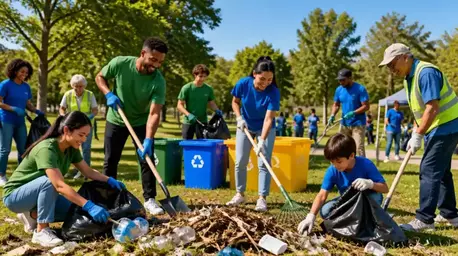
By embracing these practices, you’re not only decluttering your space but also making strides toward building a sustainable, community-oriented environment. Let’s join hands and work together for a cleaner, greener future!
Here is a quick recap of the important points discussed in the article:
By Maya Kincaid / Sep 24
By Maya Kincaid / Sep 21
By Maya Kincaid / Sep 16