Community Clean-Up Junk Solutions
By Maya Kincaid / Sep 24
Have you ever considered how a simple act of kindness, like donating your unwanted items, can lead to profound environmental benefits? By choosing to donate instead of tossing out, you can contribute to a cleaner planet and support your community at the same time. Let's unpack the significant impacts of your donations!
Understanding how donations help reduce landfill waste and greenhouse gas emissions can illuminate the positive effects of donating your unwanted items. This approach is also key to efficient rubbish removal in general.
When we think about decluttering, it's easy to just toss items away. But did you know that donating can have a big impact on the environment? At TossNest, we've seen firsthand how small acts of kindness, like donating your unwanted items, can contribute to a cleaner planet. In this section, let’s explore the environmental benefits of donating instead of just throwing things away!
Every year, millions of tons of waste end up in landfills, which is not only a waste of resources but also a significant source of pollution. When you donate instead of discarding, you help reduce this waste. In fact, studies show that the more we donate, the less we contribute to landfill growth. Isn’t that a great reason to choose donation?
Did you know? Nearly 80 million tons of materials are diverted from landfills every year through donations! This number highlights the potential impact we can all have when we make the conscious choice to donate. Here’s a quick look at some important statistics:
Donating items doesn’t just clear clutter — it also plays a crucial role in reducing greenhouse gas emissions. When we donate, we reduce the demand for new products, leading to less energy use in manufacturing. This shift is essential for creating a healthier environment. By choosing to donate your unwanted items, you’re making a direct impact on the climate!
Another fantastic benefit of donating is that it helps conserve our precious natural resources. Instead of throwing away items that can still serve a purpose, donating promotes a more sustainable approach to consumption. Let’s dive into how donations contribute to resource conservation. You can also learn more about eco-friendly home junk removal to further your impact.
When we donate, we support the idea of a circular economy, where products are reused and recycled rather than discarded. This approach not only minimizes waste but also preserves valuable resources. Here are a few ways donation supports resource conservation:
By donating, we give items a second chance at life! Each donation helps extend the lifecycle of products, which further reduces waste. Imagine the impact of keeping usable items out of landfills — it’s a win-win for both the community and the environment. At TossNest, we love knowing that our decluttering efforts lead to new opportunities for others!
Donations do more than just benefit the environment; they also foster community support. When we donate, we empower nonprofits and charitable organizations to help those in need. Let’s explore how these donations create positive ripple effects in our communities!
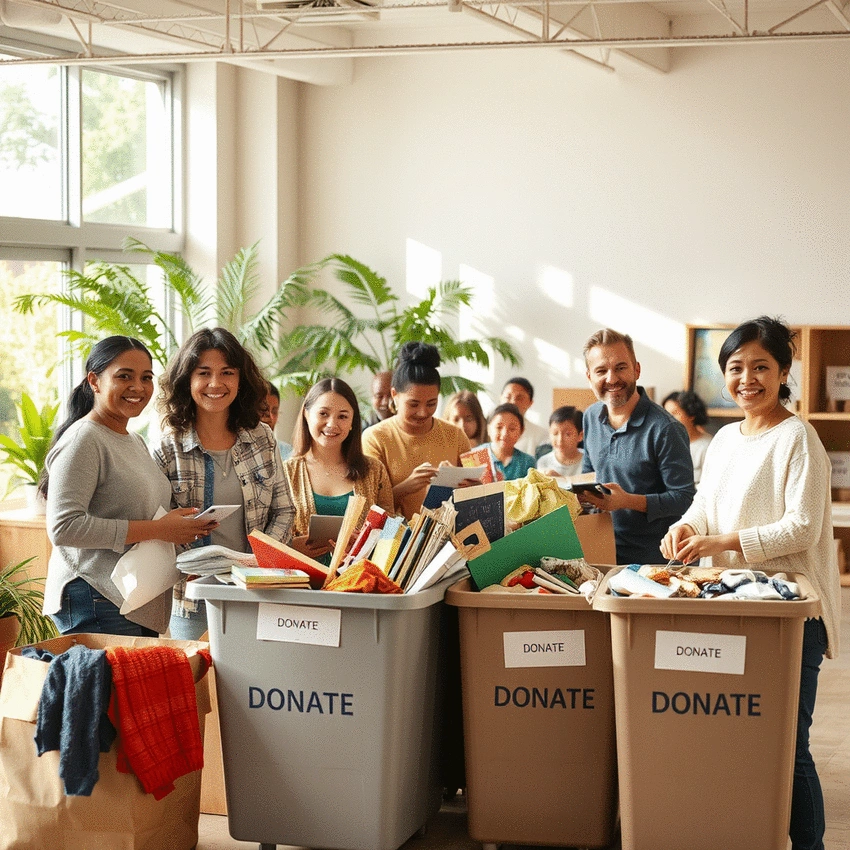
When you donate, you provide vital resources to local nonprofits and charities. These organizations rely on donations to serve their communities effectively. Whether it’s clothing, furniture, or household goods, your contributions can make a huge difference! Here’s how:
Donating helps low-income families by providing them with essential items they may struggle to afford. This act of generosity not only meets their needs but also strengthens bonds within our community. Every time we share our excess, we create a more caring and supportive environment!
Organizing or participating in donation drives is a fantastic way to engage with your community! These events bring people together with a shared purpose. Here are some popular ways to get involved:
Now that we understand the benefits of donating, how can we incorporate these practices into our daily lives? Creating sustainable consumption habits can make a big difference! Let’s look at some practical tips.
While reselling unwanted items can be tempting, donating offers a way to make a more significant impact. Instead of earning a few dollars, consider how your donation can change someone’s life. It’s not just about giving away old things; it’s about sharing hope and support with those who need it most!
Finding the right donation centers in your area is easier than you think! Many organizations work tirelessly to help. Here are a few types of places you can consider donating to:
Thrift stores play an essential role in promoting sustainability. Not only do they provide affordable options for families, but they also support charitable causes with every purchase. So next time you donate to a thrift store, remember, you’re not just clearing space; you’re contributing to a larger mission of community support!
In conclusion, donating instead of throwing items away not only benefits the environment but also strengthens our communities. By making the choice to donate, we can leave a lasting impact on both the planet and the people around us. Let’s embrace the power of giving and create a brighter, greener future together!
Here's a brief recap of the key points discussed so far:
When it comes to decluttering and making a positive impact, donating items can be a fulfilling choice for everyone involved! At TossNest, we believe that encouraging sustainable practices starts with simple, actionable steps. Let’s explore how you can effectively donate items and contribute to a greener planet.
First things first, it’s essential to understand how to prepare your items for donation. By ensuring that your donations are clean and in good condition, you’re making it easier for charities to find them a new home. Not only does this reflect your commitment to sustainability, but it also helps the recipients feel valued!
So, how do we get started with donations? Here are some practical steps you can follow:
Preparing items for donation is straightforward. Start by cleaning your donations thoroughly and checking for any damages. If something is broken, consider repairing it before donating, as it increases its chances of being used by someone in need. Remember, a little effort can go a long way! Donate while you declutter to maximize your impact.
Next, pack items securely. Using boxes or bags that are sturdy will ensure they arrive safely at their destination. Plus, don’t forget to make a list of what you’re donating; this can be helpful for tracking purposes.
Finding the right donation center is key to making a successful donation. Many local charities and thrift stores, like the ones TossNest partners with, welcome your gently used items. Here are some places to consider:
Once you’ve identified the right donation points, it’s time to think about logistics! You can either drop off your items or schedule a pick-up with many organizations. TossNest is here to help with the heavy lifting, literally! We can assist in ensuring that your donations are collected responsibly and delivered to those in need.
Don’t forget to check for any special requirements or restrictions that the donation center may have. This way, you ensure that your efforts are effective and appreciated!
It’s completely normal to have questions about what you can donate. Understanding eligibility can make the process smoother for everyone. Here are some common questions and their answers:
While many items are suitable for donation, it’s essential to be mindful of the specifics. Generally, items like clothing, toys, kitchenware, and books are widely accepted. If you’re ever unsure, reach out to local charities for household donations for clarity!
Absolutely! E-waste is typically not accepted at most donation centers. Items like old computers and phones often require specialized recycling due to environmental regulations. Always verify with local centers on what they can take.
A: Donating items keeps them out of landfills, diverting millions of tons of materials annually. This reduces the volume of waste requiring disposal and extends the lifespan of landfills.
A: Each ton of donated goods can save approximately 4,000 pounds of carbon dioxide from entering the atmosphere by reducing the need for new product manufacturing, which consumes significant energy and resources.
A: Donations support a circular economy by promoting the reuse and recycling of products. This minimizes waste, conserves natural resources by reducing the demand for raw materials, and extends product lifecycles.
A: Donations empower local nonprofits and charities, allowing them to provide essential items and services to low-income families. This strengthens community bonds, supports social programs, and encourages volunteerism.
A: Most clothing, household items, furniture, and books in good condition are widely accepted. However, items like e-waste (electronics), perishable food, and used mattresses often have specific restrictions due to recycling regulations or hygiene concerns. Always check with your chosen donation center for their guidelines.
Donating is not just about clearing out your space; it’s a way to embrace a more sustainable lifestyle. At TossNest, we encourage you to see the deeper impact of your donations on the environment and community. By donating, you’re playing a crucial role in reducing waste and fostering a sense of community!
Are you ready to take the plunge? Start donating today and help create a greener tomorrow. Together, we can make a difference, one item at a time!
Here is a quick recap of the important points discussed in the article:
By Maya Kincaid / Sep 24
By Maya Kincaid / Sep 21
By Maya Kincaid / Sep 16