
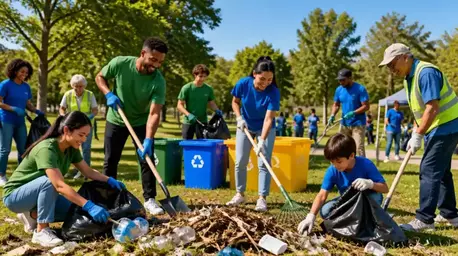
Community Clean-Up Junk Solutions
By Maya Kincaid / Sep 24
Did you know that nearly 70% of Americans have unwanted items at home that they could donate? Clearing out unwanted belongings not only creates space but also supports those in need. Understanding how to navigate the donation process can enhance your impact and make giving back a fulfilling experience.
Understanding the optimal times for donations can enhance your impact on the community. Key donation periods are highlighted below:
Peak donation time in December, fostering community spirit.
Late summer donations for clothes and school supplies are impactful.
March to May is ideal for decluttering and donating unused items.
Donate during off-peak hours for a smoother experience.
When you're ready to declutter and make a positive impact on your community, understanding your needs is key. The first step is identifying what you want to donate and where you can take those items. At TossNest, we believe in the importance of ensuring that your unwanted items find a new home, helping both you and those in need! For more tips on how to effectively declutter your home with ease, check out our guide.
Before you start searching for donation centers, take a moment to reflect on your belongings. What items do you wish to donate? Think about clothing, furniture, appliances, or household items that could benefit others. This clarity will help guide your search and make the process smoother.
As you embark on your donation journey, asking the right questions will help streamline your efforts. Here are a couple of key questions to keep in mind:
Identifying the types of items you wish to donate is crucial. Are you decluttering your closet and ready to part with clothing? Or maybe you've upgraded your furniture and need to find new homes for those old pieces. This clarity not only helps you but also guides the donation centers on what they can accept.
Consider the condition of your items—are they gently used or in need of repair? Some centers may only accept items in good working condition. It's also important to check if any items require special handling, like electronics or hazardous materials.
Different donation centers cater to various needs. For instance, clothing donations might go to local shelters, while furniture donations could help families in transition. Understanding what each center accepts can make your search easier and more effective.
At TossNest, we're passionate about connecting people with resources that help them declutter responsibly. By keeping these questions in mind, you'll be well on your way to finding the right donation centers that align with your goals.
Finding donation centers nearby doesn't have to be a daunting task! With the right tools, you can easily locate places where your items can make a difference. Here are some effective methods to help you in your search.
Google Maps is a fantastic resource for locating donation centers in your area. Here's a step-by-step guide to filtering results for charity drop-offs:
After you find a list of potential donation centers, it’s helpful to filter the results based on your needs. Look for options that clearly state they accept the types of items you wish to donate. This can save you time and ensure your donations are going to the right place! To learn more about how to donate unwanted items locally today, explore our detailed guide.
Charity Navigator is another excellent tool to identify reputable donation centers. It provides valuable insights into organizations, including how they use donations and their overall effectiveness.
Using Charity Navigator is simple! Here’s how:
This resource ensures that your donations support organizations with a strong community presence, aligning with our mission at TossNest to promote responsible giving!
Don't forget about local charities and thrift stores when searching for donation centers. These organizations are often deeply rooted in the community and can appreciate your contributions.
Goodwill and Salvation Army are well-known for accepting a variety of donations. You can often find multiple locations in your area, making it convenient to drop off your items:
Habitat for Humanity also offers great options for donating items, particularly construction materials and furniture. To find opportunities:
By utilizing these resources, you can effectively identify the best donation centers for your items. At TossNest, we’re excited to help families and small offices declutter while making a positive impact in our community!
Did you know that timing your donations can significantly impact their effectiveness? Consider donating during periods when local charities are in high demand, such as the holiday season or back-to-school months. This not only helps you declutter but also ensures your contributions reach those who need them most!
When it comes to donating, timing can truly make a difference! Knowing the best times of year to donate can amplify your efforts and ensure your contributions reach those in need. For instance, the holiday season often sees a significant uptick in donations, making it a wonderful time to give back. But, there are also other moments throughout the year that can be just as impactful.
Consider donating during *back-to-school season* in late summer when families are preparing for the new school year. Items like clothing and school supplies can greatly help those who may be struggling to provide for their children. Similarly, spring cleaning months, when many people declutter their homes, can be an excellent opportunity to donate unused items. Together, we can create a ripple effect of kindness in our community!
While it might be tempting to donate during peak seasons, you may encounter overcrowded donation centers. This can lead to longer wait times and potential frustration. To avoid this, plan your donations during off-peak hours! Early mornings or weekdays generally see fewer donors, allowing you to drop off your items with ease.
Another tip is to reach out to your favorite local charities, like the ones TossNest works with, to see if they have specific needs throughout the year. Understanding their schedules can help you time your donations perfectly and ensure that they receive what they need when they need it most. A little planning goes a long way!
Finding local community drives can be a rewarding experience! A great way to start is by checking community bulletin boards or local newspapers. Many towns host seasonal events where you can donate items directly, often with added incentives like food or music. Think about reaching out to your neighbors and friends too! Word of mouth is a powerful tool, and you might discover new opportunities together.
Don't forget to utilize social media platforms. Many local charities and community groups post about upcoming drives and events, so following them can keep you in the loop. At TossNest, we love to share about local initiatives and encourage our community to engage with these events. Together, we can make a difference!
In today's digital age, there are numerous online options for donating, giving you more flexibility to contribute! You might consider donating through platforms that facilitate direct financial contributions to charities or using websites like GoFundMe for specific causes. Many organizations now accept *monetary donations* via their websites as well.
Building connections with local volunteer organizations can also help you discover donation opportunities. These groups often have their fingers on the pulse of community needs and can direct you to the best places for your contributions. Look for groups focused on areas you’re passionate about, whether it’s education, healthcare, or environmental sustainability. They can be great resources!
Engaging with these organizations can also provide a sense of community and connection. At TossNest, we enjoy partnering with local groups to amplify our impact and encourage others to take part in making a positive change. Let’s work together to uplift our neighborhoods!
Social media is a fantastic tool for finding local donation opportunities! You can join neighborhood groups or local community pages to stay updated on what’s happening around you. These groups often share information about upcoming events, drives, or specific needs from families and organizations in your area.
Don’t hesitate to engage in these groups. If you have items to donate, simply post about it! You might find someone in need or learn about a charity that would appreciate your contributions. It’s a wonderful way to connect and give back!
Ready to take the plunge and start donating? Creating a checklist can simplify the process and ensure you’re well-prepared. Write down the items you plan to donate, where you want to take them, and any special needs they might have. Having a plan can make the process feel less overwhelming.
At TossNest, we often recommend setting aside a specific day each month to declutter and donate. It keeps the process ongoing and helps maintain a clean, organized space. Plus, the joy of giving never fades! If you're looking for more ways to donate while you declutter, we have additional tips.
Donating can also provide tax benefits, which is an added perk! When you donate items, keep receipts or records that outline what you've given. Charities typically provide acknowledgment letters for larger donations, which can help when tax season rolls around. It’s always a good idea to consult with a tax professional to understand how your contributions can benefit you.
At TossNest, we believe in not only helping the community but also empowering our clients with knowledge. Understanding the perks of your generosity can encourage more giving and foster a sense of community spirit!
In our tech-savvy world, donation apps and online platforms can simplify how you give back. Apps like Give Back, One Today, or even local charity-specific apps can streamline your donations. They allow you to browse available opportunities easily and track your contributions in one place!
These digital tools can help broaden your impact and make it easier to support causes close to your heart. So, let's embrace technology and make giving back as simple as a few taps on your phone! For more insights, check out our article on smart donation tips for families.
Here is a quick recap of the important points discussed in the article:
By Maya Kincaid / Sep 24
By Maya Kincaid / Sep 21
By Maya Kincaid / Sep 16