Community Clean-Up Junk Solutions
By Maya Kincaid / Sep 24
Did you know that your unwanted household items can transform lives, strengthen communities, and support sustainability? Donating to local charities does more than just declutter your space; it creates a ripple effect of generosity. Here’s how you can be part of this impactful movement.
This guide outlines the important steps you can follow to make your donation process organized and effective. For more tips on managing your belongings, consider how to declutter your home with ease.
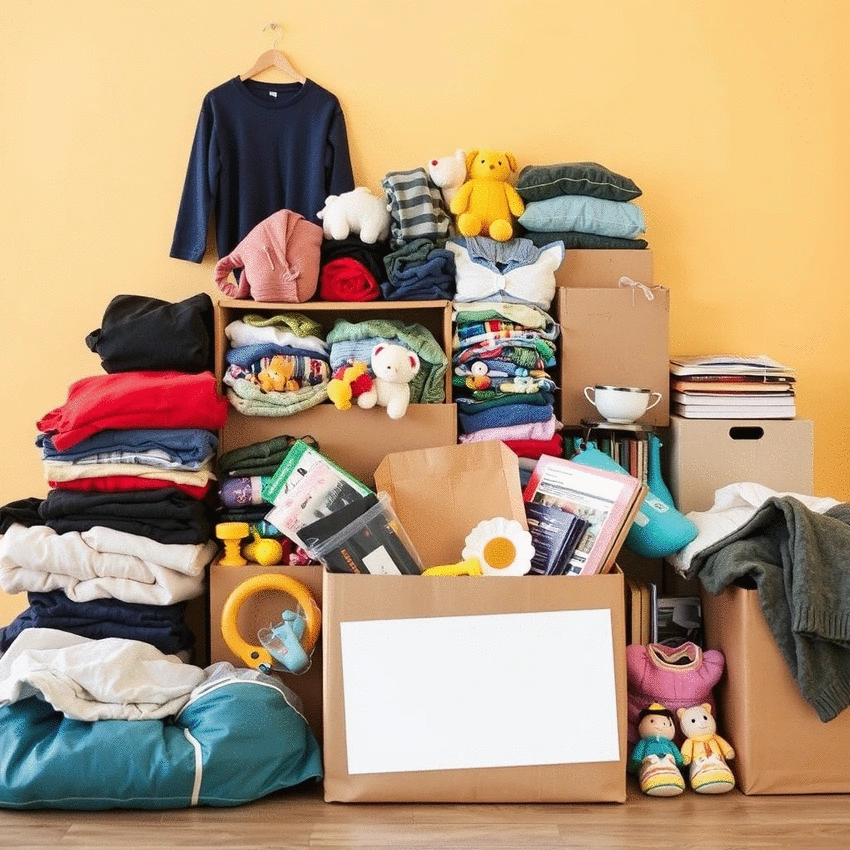
Identify the items you no longer need. Go through each room and make a list of things to donate.
Find out which local charities align with your values and accept the items you've chosen.
Many charities offer free pickup services. Reach out to them to set a date for your donation.
Carefully pack your items for donation using sturdy boxes or bags that are easy to handle.
Clearly label your boxes or bags with descriptions of the contents to help charities know what they’re receiving.
Donating household goods to local charities isn't just a kind gesture; it plays a vital role in uplifting our communities. When we choose to donate, we’re not only decluttering our homes but also making a positive impact on the local economy and environment. By supporting local charities, we help create a cycle of giving that benefits everyone—from the individuals receiving the items to the volunteers working tirelessly to make a difference.
Think about it! When you donate, you're giving usable items a second life. This reduces waste in landfills and conserves resources needed to produce new goods. Plus, local charities often utilize the proceeds from the sale of donated items to fund important community programs, which reinforces the importance of our contributions. For further reading on responsible disposal, check out our guide on eco-friendly home junk removal.
At TossNest, we believe in the power of our community. Each donation not only clears out your space but also connects you to a larger purpose. It’s incredibly rewarding to know that your unwanted items can make a real difference in someone's life!
Many people have misconceptions about the donation process. For example, some may think that only new or high-end items can be accepted. In reality, local charities are often happy to accept gently used items that are functional and clean.
By understanding these misconceptions, we can foster a culture of giving that encourages more people to participate. At TossNest, we're here to help you navigate the donation process with ease and connect you with the right local charities! To find places where you can donate old items, read more about how to donate unwanted items locally today.
Now that we've established the benefits of donating, let’s explore how to find the best local charities for your contributions. Not all organizations are the same, and it’s important to ensure your donations go to places that align with your values and community needs. Let's dive into what to look for!
Here are some common questions about donating household goods to local charities:
Most charities accept gently used household items such as furniture, clothing, electronics, books, and kitchenware. It's always best to check with the specific charity beforehand to confirm their accepted items.
Yes, many local charities, especially larger organizations, offer free pickup services for larger items like furniture. You can usually schedule a pickup directly through their website or by calling them.
To ensure your donations make an impact, research charities that align with your values, check their mission, and see how they use donations. You can also engage with them through newsletters or volunteering to stay informed.
Common misconceptions include believing that only new items are accepted, or that items must be in perfect condition. Many charities welcome gently used and functional items. Another misconception is the inability to donate large items, as many offer pickup services.
Beyond donating items, you can volunteer your time, subscribe to charity newsletters, attend their events, and share your donation experiences on social media to inspire others.
Here's a brief recap of the key points discussed so far:
Are you ready to make a difference in your community by donating household goods? It can feel daunting at first, but I'm here to help you navigate the process smoothly! Let's break it down into simple steps so you can get started with confidence and ease.
To kick off your donation journey, here’s a step-by-step guide to prepare for a successful experience:
Following these steps ensures that your donation process is organized and effective, making it easy for both you and the charity!
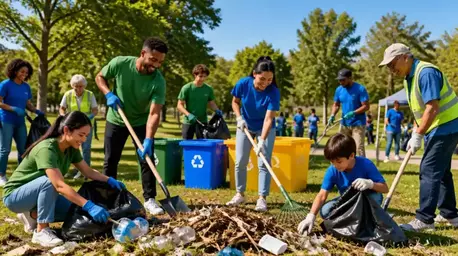
It's wonderful to donate, but why stop there? Engaging with local charities can deepen your impact! Here are some ways to stay connected and involved:
By engaging with charities, you not only contribute your goods but also your energy and enthusiasm, fostering a spirit of community!
Donating household goods is not just about clearing clutter; it's about making a *real* difference in the lives of those around us. Every item you donate can help someone in need and strengthen our neighborhoods. At TossNest, we believe that each small act of kindness contributes to a larger wave of positive change! For tips on managing unwanted items, explore our guide on efficient rubbish removal tips.
Have you recently donated? I encourage you to share your story! Personal experiences can motivate others to join in the effort of giving back. Together, we can build a community around generosity and support. Let’s inspire one another to create cleaner, more compassionate spaces in our neighborhoods! For more on managing your belongings before a move, check out declutter your home before moving.
Here is a quick recap of the important points discussed in the article:
By Maya Kincaid / Sep 24
By Maya Kincaid / Sep 21
By Maya Kincaid / Sep 16