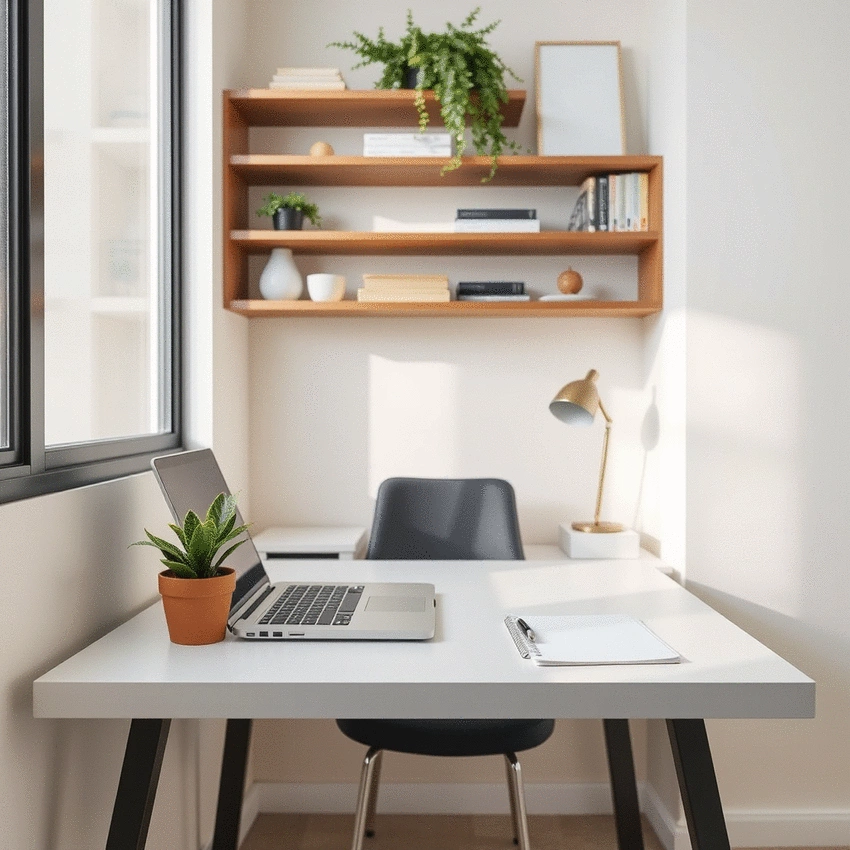
As you ponder the state of your workspace, consider this: a clutter-free environment not only enhances productivity but also supports your mental well-being. In the fast-paced world we live in, the significance of an organized office cannot be overstated. Let's explore the key lessons that can transform your small office into a haven of efficiency.
What You Will Learn
A tidy workspace can enhance focus, concentration, and overall productivity.
Clutter negatively impacts mental health by increasing stress and reducing motivation.
Establishing a daily and weekly maintenance routine is crucial for sustaining an organized office.
Creating a company culture that values organization leads to happier and more productive employees.
Setting SMART goals and using visual reminders can help maintain a clutter-free workspace.
Effective storage solutions, like wall-mounted shelves and multi-functional furniture, maximize small office space.
Involving your team in the decluttering process fosters a sense of community and shared responsibility.
Impact of Decluttering on Productivity and Mental Health
The effects of decluttering extend beyond a clean space, influencing productivity and mental well-being. Below are key comparisons and findings illustrated in the visual representation. For more comprehensive strategies on managing clutter in various environments, explore ways to declutter your home with ease.
Benefits of a Tidy Workspace
Improved focus and concentration
Faster access to necessary tools and documents
Less stress and anxiety over a chaotic environment
Impact of Clutter on Mental Health
Overwhelm and fatigue from visual chaos
Difficulty concentrating on tasks
Increased feelings of frustration and irritability
Daily Maintenance Tips
5 minutes daily to organize your desk
10 minutes weekly to tackle accumulated clutter
Monthly review of your filing system
Company Culture & Organization
Lead by example in maintaining a tidy workspace
Encourage team participation in decluttering efforts
Acknowledge and reward efforts to maintain organization
Understanding the Importance of Decluttering Small Offices
Decluttering small offices is more than just a trend—it's essential for creating a productive and harmonious work environment. At TossNest, we deeply understand how a clean space can transform not just the physical surroundings but also the overall atmosphere in which you work. When clutter invades your office, it can lead to distractions, inefficiencies, and a sense of overwhelm. So, let’s dive into why decluttering is critical for small offices!
Enhancing Productivity Through a Tidy Workspace
A tidy workspace can significantly boost your productivity! When your desk is organized, you can find essential items quickly, allowing you to focus on the task at hand. Research has shown that a clean environment can lead to increased concentration and creativity, making it easier to tackle projects and meet deadlines.
Improved focus and concentration
Faster access to necessary tools and documents
Less stress and anxiety over a chaotic environment
In my experience with TossNest, I’ve seen firsthand how people feel more motivated and energized when they work in a clutter-free space. It’s like a breath of fresh air! So, whether you’re working from home or managing a small office, consider the impact of your surroundings on your productivity levels. For an even bigger impact, consider learning about efficient rubbish removal tips to keep all your spaces clear.
How Clutter Impacts Mental Health and Workplace Efficiency
Clutter doesn’t just affect your physical space—it can impact your mental health too! Studies show that living or working in clutter can elevate stress levels, leading to anxiety and decreased motivation. When your office is filled with unnecessary items, it can become challenging to focus and make decisions.
Here are some ways clutter affects mental health:
Overwhelm and fatigue from visual chaos
Difficulty concentrating on tasks
Increased feelings of frustration and irritability
At TossNest, we encourage everyone to prioritize their mental well-being by decluttering their spaces. A clear desk can lead to a clearer mind, allowing you to approach your work with renewed energy. Remember, it’s not just about having less stuff; it’s about creating an environment that fosters creativity and peace!
The Role of Organization in the Workspace
Organization goes hand-in-hand with decluttering and is crucial in maintaining a productive workspace. Implementing effective systems can simplify your daily tasks and help you stay focused on what truly matters. Let’s explore how organization can reshape your office experience!
Pro Tip
To enhance your decluttering efforts, consider adopting the "One In, One Out" rule. For every new item you bring into your office, commit to removing one item. This simple habit keeps clutter at bay and ensures that your workspace remains organized and efficient over time!
Maintaining Your Clutter-Free Small Office Over Time
Once you've decluttered your small office, the next big step is to maintain that fresh, organized space! A clutter-free environment not only boosts productivity but also creates a happier workspace. With a little commitment and the right strategies, keeping your office tidy can become second nature.
Establishing a routine is a fantastic way to ensure your space remains organized. Think of it like a daily ritual—setting aside just a few minutes each day to tidy up can make a world of difference. Incorporate these habits into your schedule to keep your workspace in top shape:
Spend five minutes at the end of each day organizing your desk.
Dedicate ten minutes each week to tackling any accumulated clutter.
Review your filing system monthly to keep everything current and accessible.
Establishing a Routine: Daily and Weekly Maintenance Tips
Creating a set routine for daily and weekly maintenance is essential for a clutter-free office. Start with simple daily tasks that can help you stay on track. Here are some tips to consider:
Daily Desk Checks: At the end of each day, take a moment to clear your desk of unnecessary items.
Weekly Clean-Up: Allocate a specific day each week to do a more thorough organization, like dusting and rearranging supplies.
Monthly Reviews: Take time every month to reassess your storage solutions and make adjustments as needed.
This routine will make it easier to keep your small office organized and promote a sense of responsibility and pride in your workspace.
Creating a Company Culture Focused on Organization
At TossNest, we believe that a clean and organized workspace is a shared responsibility. Creating a company culture that values organization can lead to happier and more productive employees. Here are some ways to foster this culture:
Lead by Example: As a leader, demonstrate your commitment to keeping your workspace tidy.
Encourage Team Participation: Involve your team in decluttering efforts—consider hosting regular clean-up days!
Celebrate Organization Wins: Acknowledge and reward team members who actively maintain their spaces.
By making organization a priority, you’ll foster a positive environment that everyone contributes to. You might also find inspiration in how other types of spaces are organized, such as by looking into decluttering tips for family homes, which often involve similar principles of shared responsibility.
Goal Setting for Ongoing Workspace Efficiency
Setting clear goals for maintaining your decluttered office can keep you motivated and focused. Here are some effective strategies for goal setting:
SMART Goals: Create Specific, Measurable, Achievable, Relevant, and Time-bound goals for your workspace.
Visual Reminders: Use posters or digital reminders that encourage organization and productivity.
Regular Check-Ins: Schedule monthly meetings to review progress on your organization goals.
Having these goals in place will help you stay accountable and ensure your small office remains a clutter-free haven.
Common Questions About Decluttering Small Offices
As you embark on your decluttering journey, you might have some questions. Here are a few common ones that many people face:
What Are the Best Storage Solutions for Tiny Offices?
Storage solutions in small offices can be challenging but definitely manageable! Consider these options:
Wall-Mounted Shelves: Perfect for maximizing vertical space.
Multi-Functional Furniture: Desks with built-in storage or filing cabinets can save space.
Clear Bins: Use clear bins to easily identify contents while keeping things organized.
How Can I Involve My Team in the Decluttering Process?
Getting your team involved can lead to a more cohesive and organized environment. Here are some engaging ways to include them:
Team Workshops: Host a decluttering workshop to share strategies and tips.
Group Challenges: Create friendly competitions for the best-organized workspace.
Feedback Sessions: Encourage team members to share their ideas on improving organization.
What are Effective Sorting Techniques for Office Supplies?
Sorting office supplies can feel overwhelming, but with the right techniques, it can be straightforward! Here are some methods that work wonders:
Categorize by Type: Sort items like pens, paper, and folders into separate containers.
Use Labels: Clearly label storage bins to make finding items easy.
Regularly Reassess: Schedule periodic reviews to keep supplies organized and discard unused items.
By addressing these common questions, you’ll navigate your decluttering journey more confidently!
Frequently Asked Questions About Decluttering Small Offices
Q: How does decluttering specifically improve productivity in a small office?
A: Decluttering a small office helps by reducing visual distractions, making it easier to find necessary items quickly, and fostering a sense of calm that improves focus and concentration. This efficiency can lead to faster task completion and increased creativity.
Q: What are the main negative impacts of clutter on mental health?
A: Clutter can significantly elevate stress levels, cause feelings of overwhelm and fatigue, make it difficult to concentrate on tasks, and increase frustration and irritability due to visual chaos and disorganization.
Q: What is the "One In, One Out" rule and how does it help maintain an organized office?
A: The "One In, One Out" rule suggests that for every new item brought into the office, one existing item should be removed. This simple habit prevents clutter from accumulating over time, ensuring the workspace remains organized and efficient.
Q: How can I establish a sustainable routine for maintaining a clutter-free small office?
A: A sustainable routine involves daily, weekly, and monthly tasks. This includes five minutes daily to tidy your desk, ten minutes weekly for accumulated clutter, and a monthly review of your filing system. Consistency is key to long-term organization.
Q: What are some effective strategies for involving a team in the office decluttering process?
A: To involve your team effectively, you can lead by example, host team workshops to share tips, create group challenges for organized spaces, and acknowledge team members' efforts. This fosters a shared responsibility and positive culture.
Conclusion and Encouragement to Start Your Decluttering Journey
As we wrap up, remember that your decluttering journey is just beginning! Every small step you take towards an organized workspace contributes significantly to your overall productivity and mental well-being. Don't hesitate to take that first step—your clean and clutter-free office awaits! If you find yourself with too many items to sort through, consider options like decluttering your home before moving to make the process easier.
I'd love to hear your thoughts on this journey! What steps are you most excited to take? Share your experiences with TossNest, and together we can inspire others in our community to declutter their spaces!
Explore the resources and tools available to help you maintain your newly organized office. And if you're looking for inspiration, check out the latest office design trends that promote a clutter-free environment. Let's make our workspaces beautiful and efficient together! You might also find it useful to consider where to donate unwanted items locally today to give them a second life.
Recap of Key Points
Here is a quick recap of the important points discussed in the article:
Decluttering enhances productivity by improving focus, reducing stress, and allowing for quick access to essential items.
A cluttered workspace can negatively impact mental health, leading to overwhelm, difficulty concentrating, and increased frustration.
Establishing a routine for daily and weekly maintenance is crucial for maintaining a clutter-free office.
Creating a company culture that values organization fosters a positive and productive environment for all employees.
Setting SMART goals and using visual reminders can help keep you motivated in your decluttering efforts.
Involving your team in the decluttering process through workshops or group challenges can strengthen collaboration and improve organization.
Utilizing effective storage solutions, such as wall-mounted shelves and multi-functional furniture, can maximize space in small offices.