
Community Clean-Up Junk Solutions
By Maya Kincaid / Sep 24
As a busy parent, managing clutter can feel like an uphill battle. However, effective decluttering strategies can help restore tranquility to your home, making it a peaceful sanctuary for your family. By implementing small, manageable changes, you can regain control over your environment and create a more organized lifestyle.
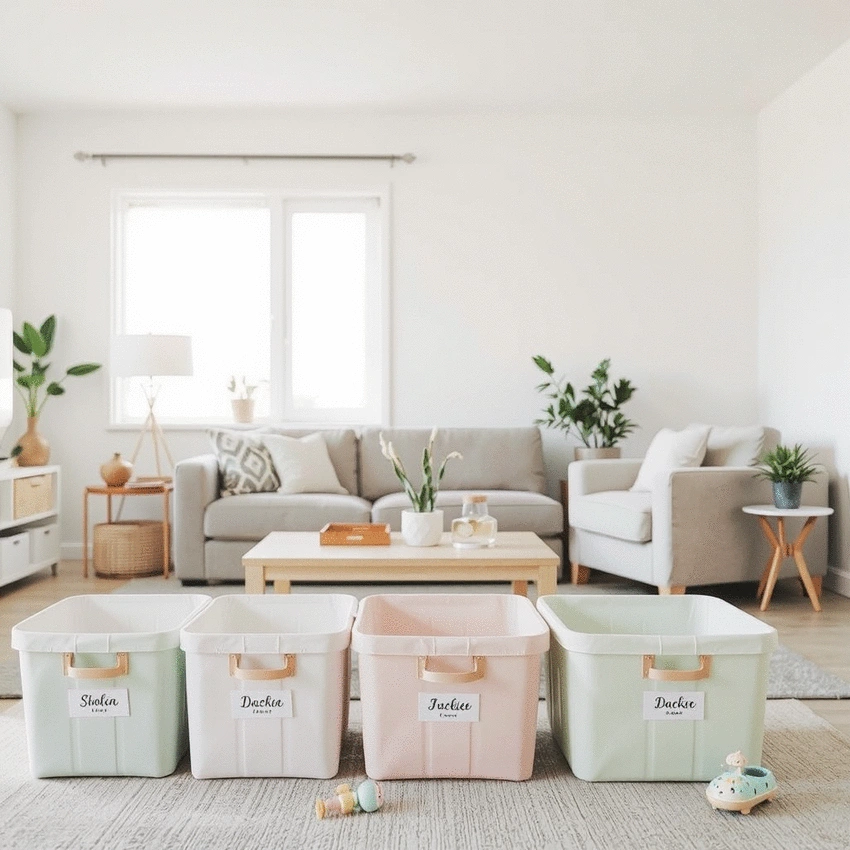
The following visual highlights key decluttering techniques that busy parents can adopt to manage their space effectively.
Set a timer for 10-20 minutes to declutter a small area, such as a drawer or countertop.
Focus on one area at a time, such as the living room or kitchen, to avoid feeling overwhelmed.
Focus on areas like entryways and playrooms where clutter tends to build up.
Break down larger areas into smaller sections, like a kitchen drawer, to make decluttering manageable.
As a busy parent, I know how overwhelming clutter can be! Between juggling work, school, and family activities, the last thing you need is to feel buried under piles of toys, clothes, and papers. That's why having effective decluttering strategies is so important. Not only can they help you regain control of your space, but they can also make your home a more peaceful place for your family.
First, let's acknowledge the unique challenges busy parents face. You might feel like you’re constantly in a cycle of cleaning and tidying, only for clutter to build up again. This is where having a plan comes in handy! By focusing on small, manageable tasks, you can create lasting change without feeling overwhelmed.
Have you ever tried a micro-session? Picture this: you set a timer for just 10-20 minutes and dive into a small area, like a drawer or countertop. It may not seem like a lot of time, but these quick bursts of focused effort can lead to significant progress! I often find that dedicating short, intentional periods to decluttering makes the process feel less daunting.
During a micro-session, aim to tackle just one task. This could be sorting through a stack of mail or picking up toys in the living room. Here are some tips for making the most of your micro-sessions:
Every home has its clutter hotspots. For many families, these are areas where items tend to accumulate, like entryways, playrooms, or kitchen counters. By identifying these spots, you can focus your decluttering efforts where they'll have the biggest impact. Think about the areas that cause you the most frustration!
Once you've pinpointed these hotspots, create a plan to tackle them systematically. Here are some common clutter hotspots and how to address them:
The concept of micro-zones is a game changer! By breaking your home into smaller, more manageable sections, you can declutter without feeling overwhelmed. Think about it: instead of saying, "I need to declutter the entire kitchen,” you could focus on just the junk drawer!
Here are some examples of micro-zones you might consider:
Zone cleaning is a structured method that can help simplify your decluttering tasks. Instead of tackling your entire home all at once, you focus on one zone at a time. This approach makes it easier for everyone in the family to contribute, and it keeps the process from feeling overwhelming.
To get started with zone cleaning, consider these steps:
Did you know? Setting a timer for just 10 minutes a day can help you tackle small decluttering tasks without feeling overwhelmed. This simple technique can lead to a more organized space and a sense of accomplishment, especially for busy parents!
In our fast-paced world, digital clutter can easily accumulate and become just as overwhelming as physical mess. For busy parents like you and me, managing this digital chaos is essential to maintaining a calm home environment. Decluttering our devices can save time, reduce stress, and help us feel more organized. Let’s dive into some practical strategies to tackle this often-overlooked aspect of our lives!
First and foremost, it’s important to recognize that our digital spaces can affect our mental state. Here are some effective strategies to help you clear the digital clutter:
By implementing these simple steps, you can regain control over your digital spaces. Remember, small changes can lead to substantial improvements!
Technology can be our best friend when it comes to staying organized! There are plenty of apps and tools that can help families track their decluttering habits and schedules. Here are a few I recommend:
Incorporating tech tools can make the process smoother and more fun for everyone involved! Getting the whole family on board with these tools fosters teamwork. You can also explore efficient rubbish removal tips to manage physical waste alongside your digital decluttering efforts.
Want to streamline your decluttering process? There are many apps specifically designed for decluttering tasks. Here are a few popular options:
These apps can be game-changers, making it easier to manage what’s in your home while helping others at the same time. It’s a win-win!
As we wrap up our discussion about digital clutter, it’s clear that addressing this aspect is just as important as physical decluttering. By using the strategies and tools mentioned, you can make a significant difference in your home’s organization. And at TossNest, we believe every little bit counts!
Staying consistent with your decluttering efforts is key to achieving long-term success. Set up reminders, involve your family, and make decluttering an ongoing habit rather than a one-time event. Remember, it’s okay to take small steps!
I’d love to hear your decluttering experiences! What strategies have worked for you? Please comment below to share your tips and encourage our community to join the journey to a more organized life!
Here are some common questions about decluttering for busy parents:
Here is a quick recap of the important points discussed in the article:
By Maya Kincaid / Sep 24
By Maya Kincaid / Sep 21
By Maya Kincaid / Sep 16