Have you ever wondered how involving your kids in decluttering can transform a mundane task into a valuable life lesson? Teaching children the importance of organization not only creates a tidy home but also equips them with essential skills for the future. The journey of decluttering can be a meaningful family experience that everyone can enjoy!
What You Will Learn
Involving kids in decluttering fosters ownership, empowering them to make decisions about their belongings.
Building decision-making skills through decluttering teaches children the value of items and encourages emotional growth.
Early lessons in organization lead to enhanced focus, reduced stress, and essential life skills for adulthood.
Effective management of outgrown items, such as donating or selling, instills values of sharing and sustainability.
Engaging kids in assessing the value of items encourages critical thinking and mindful decision-making.
Creating a family culture of minimalism leads to a shared commitment to a clutter-free, intentional living space.
Incorporating fun family activities into decluttering transforms the experience into a bonding opportunity.
Utilizing strategies like family meetings can enhance teamwork and foster open communication during the decluttering process.
Key Benefits of Involving Kids in Decluttering
Engaging children in the decluttering process has multiple advantages that promote their development and family unity. Below are some significant benefits, outlined in a visual format.
Builds Decision-Making Skills
Kids learn to assess items and decide what is truly important to them.
Encourages Emotional Growth
Letting go of items teaches kids about attachment and emotional processing.
Promotes Teamwork
Working together as a family strengthens bonds and creates memories.
Creates a Sense of Ownership
Kids feel more responsible for their belongings when involved in the process.
Understanding the Importance of Decluttering Your Home With Kids
Decluttering your home can feel like a daunting task, especially when kids are involved. However, it’s essential to understand that involving them in the process can lead to many benefits! Not only does it create a cleaner space, but it also teaches valuable lessons about responsibility and organization that they can carry into adulthood. If you're looking for more tips, check out how to declutter your home with ease.
When we think about decluttering with kids, it’s about more than just tidying up. It's about developing a sense of community and shared effort. At TossNest, I'm passionate about helping families like yours create organized spaces while engaging children in this meaningful journey. Together, we can make decluttering a fun family activity instead of a chore!
Why Involving Kids in the Decluttering Process Matters
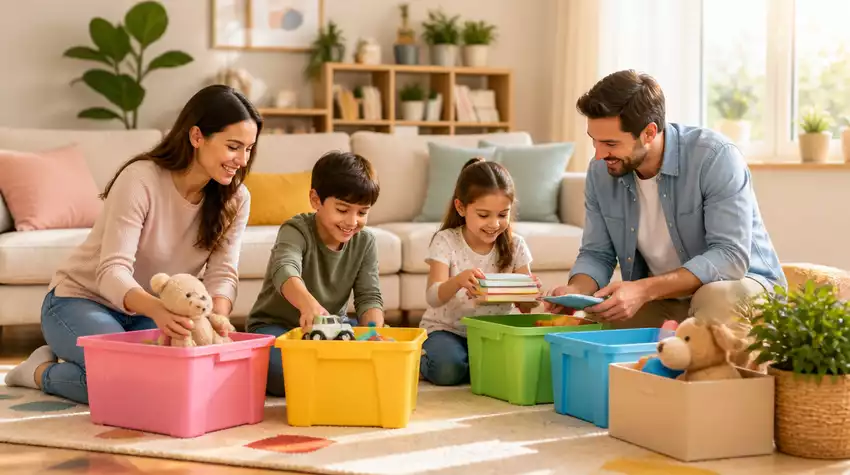
Involving kids in decluttering can foster a sense of ownership over their belongings. When children participate, they learn to make decisions about what to keep and what to let go. This not only empowers them but also teaches them about responsibility and the value of items.
Here are some reasons why it's important to get kids involved:
Builds Decision-Making Skills: Kids will learn to assess items and decide what is truly important to them.
Encourages Emotional Growth: Letting go of items can teach kids about attachment and emotional processing.
Promotes Teamwork: Working together as a family strengthens bonds and creates memories.
Through these experiences, children can develop skills that will be useful throughout their lives. Imagine teaching them that every item has a story, and it’s okay to pass that story along to someone else! For more decluttering tips for family homes, explore our comprehensive guide.
The Benefits of Teaching Kids Organizational Skills Early
Teaching kids how to stay organized from a young age is one of the best gifts you can give them. They will learn that an organized space leads to a clear mind and a more peaceful environment. It sets a foundation for their future, whether it's in school or their personal lives.
Some benefits of teaching organizational skills include:
Enhanced Focus: A clutter-free space helps kids concentrate better on their tasks.
Reduced Stress: Knowing where things are can minimize frustration and anxiety.
Life Skills: They will take these skills into adulthood, making them more successful in managing their time and space.
At TossNest, I believe that even small actions can lead to significant changes. By instilling these skills early on, you're not just creating an organized home; you're shaping responsible, mindful individuals!
Engage Your Kids in the Journey!
As you embark on the decluttering journey, consider these engaging ideas to help your kids feel more involved:
Set Goals Together: Create specific decluttering goals as a family, such as clearing out one room a week.
Incorporate Storytelling: Encourage your children to share stories about their favorite items during the decluttering process, making it more meaningful.
Use Visual Aids: Create charts or visuals to track progress, which can motivate kids to participate actively.
By making the experience interactive and fun, you not only lighten the workload but also deepen family bonds!
Managing Outgrown Items: What to Do Next
As our kids grow, they outgrow their belongings too! It’s a natural part of life, but figuring out what to do with those outgrown items can be tricky. I often find myself thinking about how to best manage this process, not only to keep our home organized but also to teach my kids the value of sharing and sustainability.
Here are some effective options for what you can do with your kids’ items:
Donating: Many local charities and organizations happily accept gently used items. This is a wonderful way to give back to the community.
Selling: Consider online platforms or local consignment shops where you can sell items your kids no longer need. This teaches them about value and money management!
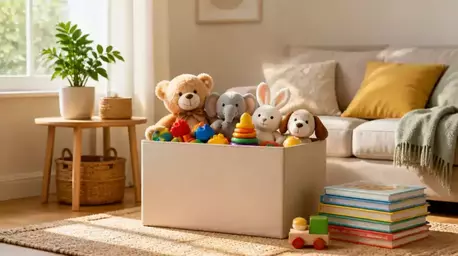
Storing: For special keepsakes, consider creating a memory box. This way, important items don’t get lost or cluttered around the house.
By discussing these options with your children, they can feel empowered in the decision-making process. It’s also a great opportunity to teach them the importance of giving and recycling! Discover more about how to donate unwanted items locally and make a positive impact.
How to Assess the Value of Items and Make Thoughtful Decisions
When it comes to decluttering, not every item holds the same value. I like to encourage families to assess items with a few key questions in mind. Here’s a simple guide:
When was the last time you used this?
Does this bring you joy or serve a purpose?
Could someone else benefit from this item?
These questions help us reflect on what truly matters and lead to more thoughtful decisions. It’s also a great way to engage kids in the process, helping them develop critical thinking skills about their belongings.
Recycling and Donation Strategies for Kids' Belongings
When it’s time to say goodbye to kids’ items, recycling and donation can be excellent options. Here are some strategies I’ve found helpful:
Local Charities: Research charities in your area that accept donations, especially for kids’ items.
Community Events: Participate in local swap meets or donation drives where families can exchange items.
Creative Recycling: Get crafty by turning old clothes into rags or art projects with the kids!
By making these practices a regular part of your decluttering routine, you’ll not only keep your home organized but also promote a sense of responsibility towards the environment and community.
Building Lasting Decluttering Habits Within the Family
Creating lasting decluttering habits is crucial for maintaining an organized home. I’ve learned that it’s not just about cleaning up but about fostering a culture of mindfulness and responsibility in our family. Children thrive when they feel ownership over their spaces, and involving them in decluttering can make all the difference! For more insights, check out these decluttering tips for busy families.
Encouraging Kids to Take Ownership of Their Space
One of the best things you can do is encourage your kids to take pride in their belongings. Here are some strategies to help them feel more invested:
Let them choose how to organize their space. This empowers them!
Involve them in deciding what to keep and what to let go.
Celebrate their accomplishments after decluttering!
By giving them a sense of control, you’re teaching them valuable lessons about responsibility while making cleaning feel less like a chore.
Creating a Family Culture of Minimalism and Intentional Living
As a family, we can cultivate a culture that values simplicity and mindfulness. Here are some ways to instill these principles in your home:
Share stories about the benefits of minimalism and how it can lead to a more peaceful life.
Encourage open discussions about what items are truly important to each family member.
Lead by example; demonstrate the joy of a clutter-free space!
When everyone is on board with the idea of intentional living, it becomes a shared family goal rather than a solo task.
Family Activities to Foster Responsibility and Mindfulness
Incorporating fun activities into the decluttering process can make it more enjoyable. Here are a few family-friendly ideas:
Host a “Declutter Day” where everyone works on a space together!
Create a fun challenge to see who can fill the most donation bags.
Turn on some music and have a dance party while you clean!
These activities not only make decluttering more engaging but also strengthen family bonds. Plus, they reinforce the idea that keeping our spaces organized is a shared responsibility!
FAQs About Decluttering Your Home With Kids Involved
Decluttering with kids can come with its own set of challenges. Let’s tackle some common questions together!
Why should I involve my kids in decluttering? Involving children in decluttering fosters ownership, builds decision-making skills, encourages emotional growth, and promotes teamwork within the family. It teaches them responsibility and the value of items.
What are the benefits of teaching kids organizational skills early? Early organizational skills lead to enhanced focus, reduced stress, and equip children with essential life skills for adulthood, helping them manage their time and space more effectively.
What should I do with outgrown items? You have several options: donating them to local charities, selling them on online platforms or consignment shops, or storing special keepsakes in a memory box. Discussing these options with kids teaches them about sharing and sustainability.
How can I help my child assess the value of an item? Encourage critical thinking by asking questions like: "When was the last time you used this?", "Does this bring you joy or serve a purpose?", and "Could someone else benefit from this item?"
How can I make decluttering fun for my kids? Turn decluttering into a game by setting goals together, incorporating storytelling about items, using visual aids to track progress, hosting a "Declutter Day," or creating fun challenges with rewards.
What if my child refuses to let go of things? Empathize with their feelings. Offer compromises like a "memory box" for cherished keepsakes so they don’t feel like they're losing everything.
How can family meetings assist in decluttering? Family meetings provide an open forum to brainstorm decluttering goals, discuss feelings about belongings, and celebrate progress as a team, fostering unity and shared responsibility.
What if My Child Refuses to Let Go of Things?
This is a common situation! Try to empathize and understand their feelings. Offer alternatives such as a “memory box” for keepsakes. This way, they can hold onto what matters most without cluttering the space.
How Can I Make Decluttering Fun for Kids?
Turning decluttering into a game can work wonders. Consider time challenges or reward systems for completed tasks. Kids love a little competition, and it can make the process so much more enjoyable!
How Can Family Meetings Help in the Decluttering Process?
Family meetings create an open space for discussion and planning! You can brainstorm decluttering goals, share feelings about items, and celebrate progress together. It fosters a sense of unity and teamwork in the decluttering journey.
Recap of Key Points
Here is a quick recap of the important points discussed in the article:
Involve Kids in Decluttering: Engaging children in the decluttering process fosters ownership and teaches decision-making skills.
Teach Organizational Skills Early: Instilling organizational habits in kids leads to enhanced focus, reduced stress, and prepares them for adulthood.
Manage Outgrown Items Thoughtfully: Discuss options like donating, selling, or storing items to teach values of sharing and sustainability.
Assess Item Value: Encourage critical thinking by asking questions about the last use and emotional attachment to items.
Promote Recycling and Donation: Involve kids in selecting charities and community events for responsible disposal of items.
Create a Culture of Minimalism: Foster discussions about simplicity and lead by example to establish a family culture of intentional living.
Make Decluttering Fun: Incorporate family activities and challenges to transform decluttering into an enjoyable experience.