Community Clean-Up Junk Solutions
By Maya Kincaid / Sep 24
Have you ever felt overwhelmed by clutter and the thought of getting rid of it all? Preparing for a junk removal appointment doesn’t have to be a hassle; in fact, with the right strategies, it can be an empowering experience!
A clear and organized approach can make junk removal more efficient. Below are key steps to follow. For additional strategies on managing clutter effectively, consider exploring resources on how to declutter your home with ease.
Consider:
Ensure to:
Preparing for a junk removal appointment can feel daunting, but with a few effective strategies, it can become a seamless process! First, it’s essential to understand your specific junk removal needs. This clarity will help you communicate better with TossNest, making the entire experience smoother and more efficient.
Start by making a list of items you want removed. Look around your home or office and ask yourself, “What do I no longer need?” This could include anything from old furniture to broken appliances. Remember, at TossNest, we focus on responsible removal, prioritizing donations to local charities whenever possible!
To really grasp your junk removal needs, take a moment to identify the items you want to part with. Ask yourself the following:
Next, assess the scope of your junk removal. Are you tackling a single room or your entire home? Knowing the size of the job will help TossNest plan for the right-sized team and equipment to take care of everything efficiently!
As you go through your belongings, it can help to categorize items into three groups:
Involving family members in this process can also make it fun and collaborative! Together, you can share stories about your items and decide together what stays and what goes.
Now that you've identified your items, it's time to assess how much space they take up. This is especially important for larger items like furniture or appliances. Measure if necessary, so you can accurately communicate with TossNest about what needs to be removed.
Consider the logistics as well: Is there enough space for the removal team to navigate? Are there any stairs or tight corners? Addressing these details in advance will smooth out the process and help avoid surprises on the day of your appointment!
Creating a checklist can simplify your junk removal preparation significantly. Here's a basic outline to get you started:
By breaking it down room by room, you can tackle each area methodically, which not only makes the process manageable but also helps you feel accomplished as you check things off your list!
As you prepare for your junk removal appointment, consider taking photos of items you’re disposing of. This not only helps you remember what you had but can also be useful for donation records or future reference. Plus, it’s a great way to track your decluttering journey!
As we wrap up our guide on preparing for a junk removal appointment, it's essential to reflect on the key steps that lead to a smooth and successful experience. By taking the time to understand your needs, creating a thorough checklist, and effectively communicating with your junk removal service, you can set yourself up for success. This preparation journey not only makes the process easier but also contributes to a cleaner, more organized space!
Here’s a quick recap of the best practices we discussed:
It's natural to have questions when preparing for junk removal. Here are some common FAQs that many people ask, along with my insights to help clarify:
Understanding what can be taken is crucial. Most junk removal services, including TossNest, can handle a wide range of items, such as:
However, there are some restrictions. Hazardous materials like chemicals or paint, electronics, and certain e-waste may require special handling or cannot be removed at all. Always check with your provider for detailed guidelines!
When it comes to hazardous materials, safety is key. Here are some tips to handle them safely:
By following these practices, you can ensure that hazardous items are dealt with responsibly!
For large furniture, it's helpful to disassemble it if possible. This makes it easier for the removal team to transport and can sometimes reduce the overall volume, potentially affecting costs. Clear a path from the item to the exit, ensuring there are no obstacles that could impede the team.
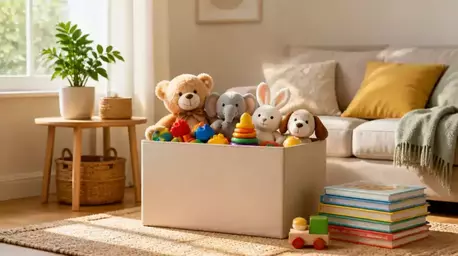
Absolutely! Separating items for donation is highly recommended. Not only does it make the junk removal process more efficient, but it also supports community efforts and promotes sustainability. Clearly label these items so your removal service knows their intended purpose. For more insights, check out why you should donate during junk removal.
The duration of a junk removal appointment varies greatly depending on the volume and type of items to be removed, as well as the accessibility of your property. A small load might take less than an hour, while a full house cleanout could take several hours. Discussing the scope with your provider beforehand will help you get an accurate estimate.
Responsible junk removal services prioritize eco-friendly disposal. Usable items are often donated to charities, recyclables are sent to appropriate facilities, and only true waste goes to landfills. At TossNest, we are committed to eco-friendly home junk removal, ensuring items are handled with the environment in mind.
At TossNest, customer feedback is incredibly important to me. Hearing how our services have helped families declutter and create organized spaces warms my heart! Testimonials often highlight our friendly approach, quick response times, and dedication to donating usable items to those in need. If you're considering a junk removal service, I encourage you to read reviews and learn from others' experiences!
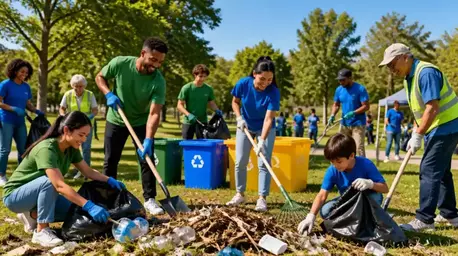
Once your junk removal is complete, think about your impact on the environment. At TossNest, I believe in the importance of making eco-conscious decisions. Consider donating any usable items to local charities or recycling what you can. It’s a great way to give back to the community while minimizing waste.
Remember, a clean space contributes not only to your well-being but also to the health of our planet!
Are you ready to tackle that clutter? I’d love to help! At TossNest, we specialize in making junk removal easy and effective for families and small businesses. Contact us today for a quote, and let’s create a cleaner and more inviting space together!
Your decluttering journey starts now—let's make it a positive one!
Here is a quick recap of the important points discussed in the article:
By Maya Kincaid / Sep 24
By Maya Kincaid / Sep 21
By Maya Kincaid / Sep 16